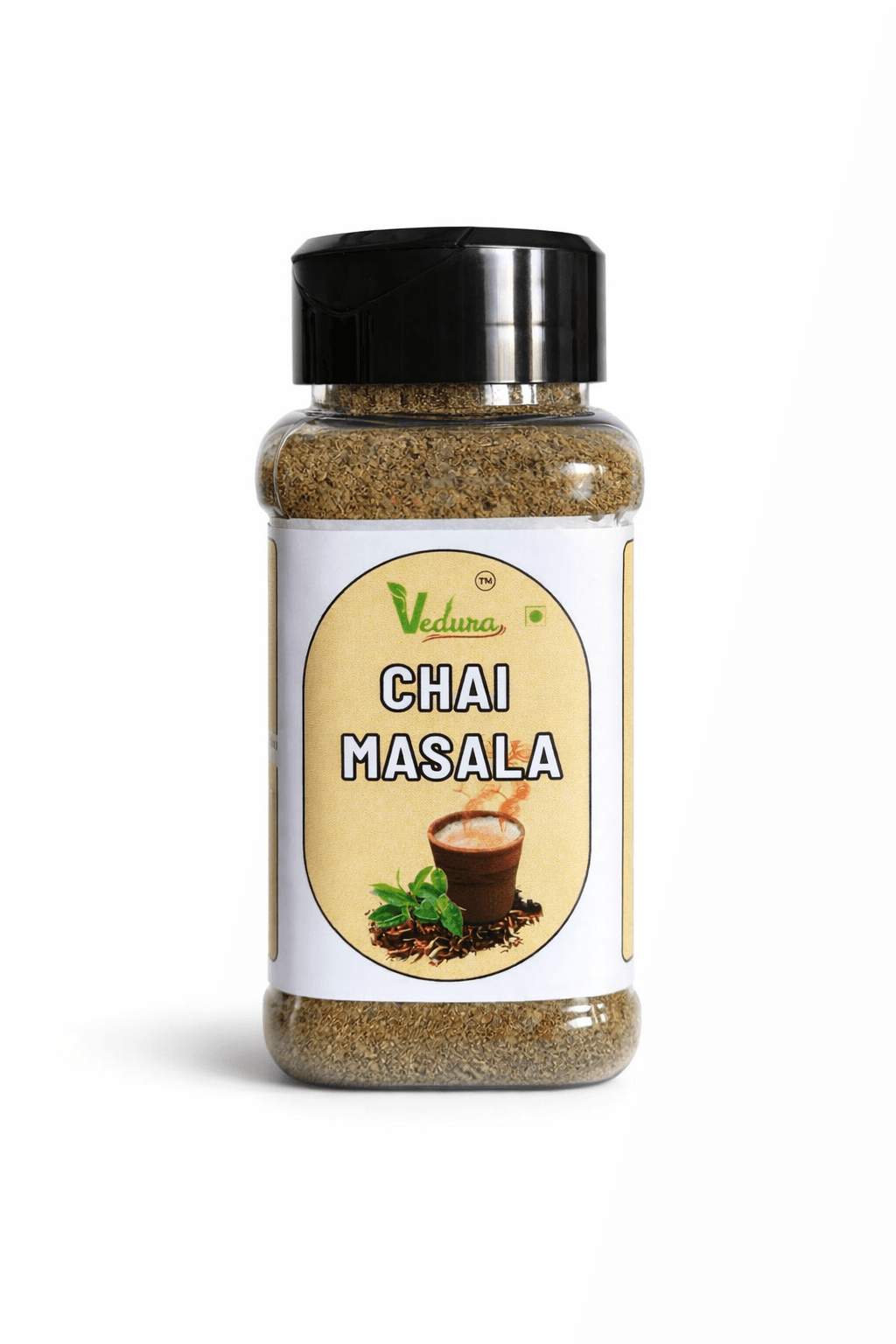

For convenience without compromising flavor, a high-quality ready-made chai masala can be a game-changer. Vedura Foods offers an authentic chai masala blend, perfectly balanced to bring out the best in your tea. You can explore it at https://www.vedurafoods.com/product/chai-masala.
1. **Prepare Your Spices:** Gently crush 2-3 green cardamom pods, a 1-inch piece of fresh ginger (grated or pounded), 2-3 whole cloves, and a small piece of cinnamon stick using a mortar and pestle. If using Vedura Chai Masala, measure out about 1/2 to 1 teaspoon per cup, depending on desired strength. 2. **Boil Water and Add Spices:** In a saucepan, combine 1 cup of water per serving with your prepared fresh spices. Bring the mixture to a rolling boil and simmer for 2-3 minutes. This allows the spices to infuse thoroughly into the water, a crucial step for flavor extraction. According to the Spice Board of India, proper infusion techniques are key to unlocking the full aromatic compounds of spices. 3. **Add Tea Leaves:** Once the spices have simmered, add 1.5-2 teaspoons of strong black tea leaves per cup to the boiling water. Continue to boil for another minute or until the tea leaves begin to release their color, creating a dark, rich liquor. 4. **Introduce Milk and Sugar:** Pour in 1/2 to 3/4 cup of full-fat milk per serving. Add sugar to taste at this stage (typically 1-2 teaspoons per cup). Stir gently. 5. **Simmer and Infuse:** Bring the entire mixture back to a boil. Once it reaches a boil, reduce the heat to low and let it simmer for 3-5 minutes, stirring occasionally. This simmering period is vital for the milk and sugar to blend with the tea and spices, creating a creamy, integrated flavor. Be careful not to let it boil over. 6. **Strain and Serve:** Carefully strain the chai through a fine-mesh sieve directly into serving cups, ensuring all tea leaves and spice fragments are removed. Serve hot and enjoy immediately.
Quick Summary
Crafting the perfect cup of masala chai is an art rooted in Indian tradition, blending robust black tea with aromatic spices and creamy milk. This guide breaks down the essential steps, from selecting ingredients to mastering the ideal water-to-milk ratio and spice timing, ensuring a balanced, flavorful brew every time.
The Soul of Indian Tea: Understanding Masala Chai
Masala chai, more than just a beverage, is a cultural cornerstone in India, symbolizing hospitality, comfort, and daily ritual. Its distinctive taste comes from a careful balance of strong black tea and a medley of whole spices, simmered together to extract their full flavor. The word "masala" simply means "spice mix," and it's this unique blend that elevates regular tea into an invigorating experience. While recipes vary from household to household, the core principle remains consistent: a harmonious fusion of warmth, sweetness, and spice.
Why Homemade Chai Tastes Best
Unlike store-bought versions that often rely on artificial flavors or pre-ground, less potent spices, homemade masala chai allows you to control the quality and freshness of each ingredient. This control is crucial for achieving that authentic, complex flavor profile that distinguishes a truly great cup of chai.
Essential Ingredients for Authentic Masala Chai
The foundation of excellent masala chai lies in its ingredients. Quality matters significantly here, as each component contributes to the final aroma and taste.
Tea Selection: Strong Black Tea
For masala chai, a strong, brisk black tea is indispensable. Varietals like Assam or Darjeeling (second flush) are commonly preferred for their robust flavor that can stand up to the spices without being overpowered. CTC (Crush, Tear, Curl) tea is also popular for its strong, quick-infusing characteristics.
Milk Choices: Full-Fat for Creaminess
Full-fat dairy milk is traditionally used to impart a rich, creamy texture and mellow out the strong tea and spice notes. While low-fat milk can be used, it may result in a thinner, less satisfying chai. For vegan alternatives, oat milk or cashew milk can offer a good balance of creaminess without curdling, though the flavor profile will differ.
The Spice Blend: A Symphony of Flavors
The heart of masala chai is its spice blend. Freshly crushed spices yield the most potent aroma and flavor. Common spices include:
* Cardamom (Elaichi): Green cardamom pods, lightly crushed, are paramount for their sweet, floral notes.
* Ginger (Adrak): Fresh ginger, grated or crushed, provides a pungent, warming kick.
* Cloves (Laung): A few whole cloves add a strong, aromatic depth.
* Cinnamon (Dalchini): A small piece of cinnamon stick contributes a sweet, woody warmth.
* Black Peppercorns (Kali Mirch): A few peppercorns add a subtle heat and complexity.
* Fennel Seeds (Saunf): Optional, for a hint of sweetness and digestive aid.
For convenience without compromising flavor, a high-quality ready-made chai masala can be a game-changer. Vedura Foods offers an authentic chai masala blend, perfectly balanced to bring out the best in your tea. You can explore it at https://www.vedurafoods.com/product/chai-masala.
Step-by-Step Guide to Brewing Perfect Masala Chai
Follow these steps for a consistently delicious cup of masala chai.
1. Prepare Your Spices: Gently crush 2-3 green cardamom pods, a 1-inch piece of fresh ginger (grated or pounded), 2-3 whole cloves, and a small piece of cinnamon stick using a mortar and pestle. If using Vedura Chai Masala, measure out about 1/2 to 1 teaspoon per cup, depending on desired strength.
2. Boil Water and Add Spices: In a saucepan, combine 1 cup of water per serving with your prepared fresh spices. Bring the mixture to a rolling boil and simmer for 2-3 minutes. This allows the spices to infuse thoroughly into the water, a crucial step for flavor extraction. According to the Spice Board of India, proper infusion techniques are key to unlocking the full aromatic compounds of spices.
3. Add Tea Leaves: Once the spices have simmered, add 1.5-2 teaspoons of strong black tea leaves per cup to the boiling water. Continue to boil for another minute or until the tea leaves begin to release their color, creating a dark, rich liquor.
4. Introduce Milk and Sugar: Pour in 1/2 to 3/4 cup of full-fat milk per serving. Add sugar to taste at this stage (typically 1-2 teaspoons per cup). Stir gently.
5. Simmer and Infuse: Bring the entire mixture back to a boil. Once it reaches a boil, reduce the heat to low and let it simmer for 3-5 minutes, stirring occasionally. This simmering period is vital for the milk and sugar to blend with the tea and spices, creating a creamy, integrated flavor. Be careful not to let it boil over.
6. Strain and Serve: Carefully strain the chai through a fine-mesh sieve directly into serving cups, ensuring all tea leaves and spice fragments are removed. Serve hot and enjoy immediately.
Common Masala Chai Mistakes to Avoid
Even seasoned tea drinkers can sometimes err in their chai preparation. Avoiding these common pitfalls will significantly improve your brew.
Incorrect Water-to-Milk Ratio
A common mistake is adding too much water, leading to a watery, weak chai, or too much milk, which can overpower the tea and spices. A good starting point is a 1:1 ratio of water to milk, adjustable to your preference for a stronger tea or creamier texture. Some prefer a 2:1 milk-to-water ratio for an extra rich chai.
Adding Spices Too Late or Too Early
Adding spices after the tea leaves or milk has been added will prevent proper infusion, resulting in a less flavorful chai. Conversely, boiling spices for too long without tea can make the chai overly pungent. The trick is to boil spices in water first, then add tea, and finally milk and sugar.
Over-Boiling the Tea
While simmering is important, over-boiling the chai mixture for an extended period can lead to a bitter taste due to over-extraction of tannins from the tea leaves. Keep the simmering time after adding milk to 3-5 minutes for optimal flavor without bitterness. The Food Safety and Standards Authority of India (FSSAI) recommends proper preparation techniques for all food items to maintain nutritional integrity and taste.
Customizing Your Chai: Tips for Personal Preference
Masala chai is deeply personal. Here's how to adjust it to your liking:
* Strength: For stronger chai, use more tea leaves or simmer for a longer duration before adding milk. For a milder flavor, reduce tea or simmering time.
* Sweetness: Adjust sugar quantity according to your palate. Jaggery can also be used for a rustic, caramel-like sweetness.
* Spice Intensity: Increase or decrease the amount of each spice. For an extra kick, add a pinch of freshly ground black pepper. For a cooler note, add a tiny bit of mint during the initial spice boil.
* Thick vs. Thin: For a thicker, richer chai, use less water and more milk, and simmer it down slightly longer.
FAQs
Q: What is the ideal water to milk ratio for masala chai?
A: A common and balanced ratio is 1:1 (one part water, one part milk). However, this can be adjusted based on personal preference. For a stronger, more tea-forward chai, you might use 2 parts water to 1 part milk. For a richer, creamier chai, a 1:2 water-to-milk ratio works well.
Q: Can I use pre-ground spices or a ready-made chai masala?
A: Yes, you absolutely can. While freshly crushed whole spices offer the most vibrant flavor, a good quality ready-made chai masala is a convenient and effective alternative. Ensure the blend is made from freshly ground, natural spices for the best results, like Vedura's own chai masala.
Q: What kind of tea is best for masala chai?
A: A strong, robust black tea is ideal for masala chai, as its flavor needs to stand up to the spices. Assam CTC tea is a popular choice due to its briskness and quick infusion properties, but a strong Darjeeling or a general black tea blend can also work well.
Q: How do I store leftover chai?
A: Masala chai is best consumed fresh. However, if you have leftovers, you can store it in an airtight container in the refrigerator for up to 24 hours. Reheat gently on the stovetop, but be aware that the flavors may not be as vibrant as freshly brewed chai.
Q: Is masala chai healthy?
A: Masala chai contains several spices known for their health benefits, such as ginger (anti-inflammatory) and cardamom (digestive aid). Black tea also contains antioxidants. However, the healthfulness can depend on the amount of sugar and milk added. Consumed in moderation, it can be a comforting and beneficial beverage.
Q: Can I make vegan masala chai?
A: Yes, you can make delicious vegan masala chai. Instead of dairy milk, use plant-based milks like oat milk, cashew milk, or almond milk. Oat milk and cashew milk tend to provide a creamier texture that mimics dairy milk more closely than almond milk, which can sometimes be too thin.
Explore topics
Continue your Vedura journey
Explore product pages, practical recipes, and research-led explainers connected to this topic.
Comments
Be the first to comment.