
* **Green Cardamom (Elaichi):** Often considered the queen of spices, green cardamom provides a sweet, citrusy, and slightly floral note that is central to chai's aroma. It's the brightest top note in the blend. * **Cloves (Laung):** Pungent, intensely aromatic, and slightly sweet with a hint of bitterness, cloves add a deep, warm undertone. They contribute significantly to the masala's warming effect. * **Cinnamon (Dalchini):** With its sweet, woody, and comforting fragrance, cinnamon bridges the top and base notes, adding a familiar warmth and sweetness without needing extra sugar. * **Black Peppercorns (Kali Mirch):** Providing a subtle heat and a pungent kick, black peppercorns awaken the palate and enhance the bioavailability of other spice compounds. They are vital for that characteristic 'zing'. * **Dry Ginger (Sonth):** Distinct from fresh ginger, dry ginger powder offers a concentrated, spicy warmth and earthy depth that grounds the entire blend. It's a key ingredient for the warming sensation of chai.
* **Nutmeg (Jaiphal):** A pinch can add a rich, slightly sweet, and musky aroma. * **Fennel Seeds (Saunf):** Offer a mild, sweet, licorice-like flavour, known for its digestive properties. * **Star Anise (Chakri Phool):** Contributes a strong, sweet, licorice flavour, best used sparingly.
Quick Summary
Crafting your own chai masala at home is a rewarding journey into the heart of Indian tea culture, offering a customizable blend of warming spices that elevate your daily brew. A good homemade chai masala primarily consists of green cardamom, cloves, cinnamon, black peppercorns, and dry ginger, delivering both robust flavour and traditional wellness benefits. This guide covers how to prepare, use, and store your blend for the freshest, most aromatic cup every time.
The Soul of Chai Masala: Essential Spices
Chai masala, the aromatic heart of a perfect cup of chai, is more than just a mix of spices; it's a symphony of flavours designed to invigorate the senses and warm the soul. The selection and balance of spices are crucial to achieving that distinct, comforting taste that defines authentic Indian masala chai. Each spice plays a unique role, contributing to the blend's complexity and aromatic profile.
Core Spices for Authentic Flavour
For a truly traditional chai masala, certain spices are non-negotiable. These five form the foundation of most beloved blends:
* Green Cardamom (Elaichi): Often considered the queen of spices, green cardamom provides a sweet, citrusy, and slightly floral note that is central to chai's aroma. It's the brightest top note in the blend.
* Cloves (Laung): Pungent, intensely aromatic, and slightly sweet with a hint of bitterness, cloves add a deep, warm undertone. They contribute significantly to the masala's warming effect.
* Cinnamon (Dalchini): With its sweet, woody, and comforting fragrance, cinnamon bridges the top and base notes, adding a familiar warmth and sweetness without needing extra sugar.
* Black Peppercorns (Kali Mirch): Providing a subtle heat and a pungent kick, black peppercorns awaken the palate and enhance the bioavailability of other spice compounds. They are vital for that characteristic 'zing'.
* Dry Ginger (Sonth): Distinct from fresh ginger, dry ginger powder offers a concentrated, spicy warmth and earthy depth that grounds the entire blend. It's a key ingredient for the warming sensation of chai.
Optional Spices for Personalization
While the core five form a robust foundation, you can experiment with other spices to tailor the blend to your preference:
* Nutmeg (Jaiphal): A pinch can add a rich, slightly sweet, and musky aroma.
* Fennel Seeds (Saunf): Offer a mild, sweet, licorice-like flavour, known for its digestive properties.
* Star Anise (Chakri Phool): Contributes a strong, sweet, licorice flavour, best used sparingly.
Here’s a look at the key spices and their traditional roles:
| Spice Name | Role in Chai Masala | Traditional Benefit (Source) |
| :---------------- | :------------------------------------ | :-------------------------------------- |
| Green Cardamom | Aromatic, sweet, citrusy top note | Digestion, breath freshener |
| Cloves | Pungent, warming, subtly bitter | Anti-inflammatory, pain relief |
| Cinnamon | Sweet, woody, warm undertone | Blood sugar regulation |
| Black Peppercorns | Pungent heat, circulatory stimulant | Digestive aid, bioavailability enhancer |
| Dry Ginger | Pungent, spicy, warming base note | Anti-nausea, immunity booster |
Crafting Your Perfect Blend: A Step-by-Step Guide
Making chai masala at home allows you to control the quality of ingredients and customize the flavour profile. The process is simple, yielding a fresh, aromatic blend far superior to many commercial options.
Sourcing and Preparation
Begin with whole, high-quality spices. The Spice Board of India emphasizes the importance of using unadulterated spices for authentic flavour and aroma. Avoid pre-ground spices as they lose their potency quickly.
1. Gather Your Spices: Typically, a good ratio might be 1/4 cup green cardamom, 2 tablespoons dry ginger pieces, 1 tablespoon whole cloves, 2 inches cinnamon stick (broken), and 1 tablespoon black peppercorns. Adjust to your taste.
2. Light Roasting (Optional but Recommended): Gently dry-roast the whole spices (except dry ginger powder, if using pre-ground) in a heavy-bottomed pan over low heat for 2-3 minutes until fragrant. This step awakens their essential oils, intensifying their flavour. Be careful not to burn them. Let them cool completely.
3. Grinding: Once cooled, combine all spices in a clean, dry spice grinder or a powerful mixer grinder. Grind them into a fine powder. Some prefer a slightly coarser grind for more texture in their tea. Ensure the grinder is completely dry to prevent clumping and preserve shelf life.
4. Cool and Store: Spread the ground masala on a plate to cool down completely before transferring it to an airtight container.
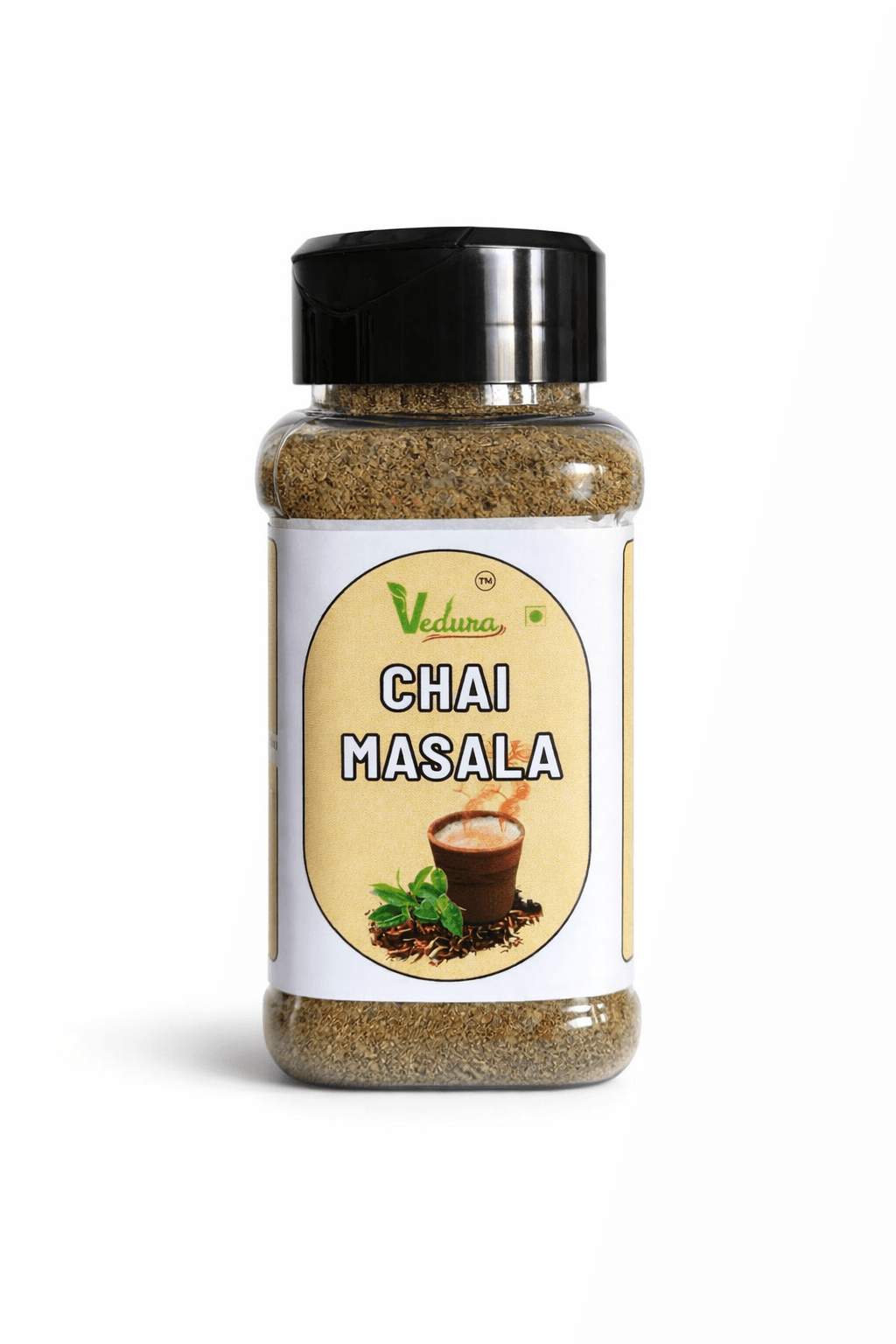
For those seeking a ready-to-use, perfectly balanced blend crafted with premium, natural ingredients, explore Vedura's Chai Masala at https://www.vedurafoods.com/product/chai-masala. It offers convenience without compromising on authentic taste.
Brewing Bliss: Using Your Homemade Chai Masala
Once your masala is ready, incorporating it into your daily chai ritual is straightforward. The key is to add it at the right stage to allow the flavours to fully infuse without becoming overpowering.
Quantity Per Cup
The general guideline is to use 1/4 to 1/2 teaspoon of chai masala per cup of tea. This can be adjusted based on personal preference and the strength of your blend. Start with less and add more if you prefer a stronger flavour.
Brewing Process
1. Boil Water: In a saucepan, bring one cup of water to a boil.
2. Add Tea and Masala: Add 1-2 teaspoons of your preferred black tea leaves (Assam or Darjeeling work well for chai) and the measured chai masala to the boiling water. If you like fresh ginger, add a small piece crushed at this stage.
3. Simmer: Let the mixture simmer for 2-3 minutes, allowing the tea and spices to infuse.
4. Add Milk and Sugar: Pour in about half a cup of milk (dairy or plant-based) and add sugar to taste. Bring the chai back to a boil, then reduce heat and let it simmer for another 2-3 minutes until it develops a rich colour and aroma.
5. Strain and Serve: Strain the chai directly into cups using a fine-mesh sieve. Enjoy hot.
Pairing and Enjoying Your Masala Chai
Masala chai is a versatile beverage that pairs wonderfully with a variety of snacks, making it a perfect accompaniment for any time of day.
Classic Pairings
* Savoury Snacks: Traditional Indian fried snacks like samosas, pakoras, or kachoris are excellent companions, with the spice of the chai cutting through the richness of the food.
* Sweet Treats: Simple biscuits, rusks, or a slice of cake complement the warming notes of the chai beautifully.
* Light Breakfast: A cup of masala chai with toast or paratha makes for a comforting and energizing start to the day.
Preserving Freshness: Storing Your Masala for Lasting Flavour
The freshness of your chai masala directly impacts the flavour of your tea. Proper storage is essential to maintain its potency and aroma.
Optimal Storage Practices
* Airtight Container: Always store your homemade chai masala in a completely airtight glass jar or container. This prevents moisture and air from degrading the spices.
* Cool, Dark Place: Keep the container in a cool, dark pantry or cupboard, away from direct sunlight and heat. Heat and light can cause the essential oils in the spices to evaporate, diminishing their flavour.
* Avoid Moisture: Ensure your spoon is dry before scooping out the masala to prevent introducing moisture, which can lead to clumping or spoilage.
* Shelf Life: When stored correctly, homemade chai masala can retain its peak freshness and aroma for 3-6 months. Beyond this period, it may still be usable, but its potency will gradually decrease. For the best flavour, consider making smaller batches more frequently.
FAQs
Q: What are the main spices in chai masala?
A: The primary spices in a traditional chai masala are green cardamom, cloves, cinnamon, black peppercorns, and dry ginger. These form the aromatic and flavourful core, providing warmth, pungency, and sweetness to the blend.
Q: How much chai masala should I use per cup?
A: Generally, you should use about 1/4 to 1/2 teaspoon of chai masala per cup of tea. However, this is a guideline, and you can adjust the quantity based on your personal preference for spice intensity and the strength of your specific blend.
Q: Can I use fresh ginger and cardamom instead of dried in chai masala?
A: While fresh ginger and whole green cardamom pods are often added directly to the brewing tea for an extra fresh kick, for making a dry chai masala powder, dried ginger (sonth) and ground green cardamom are used. The dried forms provide a concentrated, stable flavour for the masala blend.
Q: How long does homemade chai masala last?
A: When stored properly in an airtight container in a cool, dark place away from moisture, homemade chai masala can maintain its peak flavour and aroma for about 3 to 6 months. After this, its potency will gradually diminish, though it might still be safe to consume.
Q: What are the health benefits of chai masala?
A: Many spices in chai masala are traditionally valued for their wellness properties. According to the Indian Council of Medical Research – National Institute of Nutrition (ICMR-NIN), ingredients like ginger and black pepper are known for their digestive aid properties, while cloves and cinnamon possess anti-inflammatory and antioxidant compounds. These benefits contribute to the overall comforting and revitalizing experience of drinking masala chai.
Q: Can I make chai masala without black pepper?
A: Yes, you can certainly customize your chai masala blend to suit your taste preferences. If you find black pepper too pungent or spicy, you can reduce its quantity or omit it entirely. You might consider increasing other warming spices like dry ginger or cinnamon to maintain the balance of the blend.
Explore topics
Continue your Vedura journey
Explore product pages, practical recipes, and research-led explainers connected to this topic.
Comments
Be the first to comment.