For many parents, the sight of greens on a plate can trigger a familiar battle at the dinner table. Children, especially during their early years, often develop strong preferences and aversions, with green vegetables frequently landing on the 'no' list. This isn't just about taste; sometimes, it's the texture, the colour, or simply the novelty that makes them resistant.
However, the nutritional importance of greens cannot be overstated. According to the Indian Council of Medical Research – National Institute of Nutrition (ICMR-NIN) guidelines, green leafy vegetables are vital sources of vitamins (A, C, K, folate), minerals (iron, calcium), and fibre, all crucial for a child's growth and development. The challenge, then, lies in bridging this gap between nutritional need and a child's discerning palate. Traditional methods of coaxing and bribing often fall short, leaving parents seeking smarter, less confrontational approaches.
Quick Summary
Dehydrated greens are a practical and effective solution for parents dealing with fussy eaters. By incorporating fine powders like spinach into everyday Indian dishes, you can significantly boost your child's nutrient intake without altering taste or texture, making mealtime smoother and healthier for everyone.
The Challenge: When Greens Are the Enemy
For many parents, the sight of greens on a plate can trigger a familiar battle at the dinner table. Children, especially during their early years, often develop strong preferences and aversions, with green vegetables frequently landing on the 'no' list. This isn't just about taste; sometimes, it's the texture, the colour, or simply the novelty that makes them resistant.
However, the nutritional importance of greens cannot be overstated. According to the Indian Council of Medical Research – National Institute of Nutrition (ICMR-NIN) guidelines, green leafy vegetables are vital sources of vitamins (A, C, K, folate), minerals (iron, calcium), and fibre, all crucial for a child's growth and development. The challenge, then, lies in bridging this gap between nutritional need and a child's discerning palate. Traditional methods of coaxing and bribing often fall short, leaving parents seeking smarter, less confrontational approaches.
Dehydrated Greens: A Parent's Secret Weapon
This is where dehydrated greens come into play as a game-changer. Imagine spinach, moringa, or mint, carefully dried and ground into a fine, versatile powder. The process of dehydration preserves much of the nutritional value of fresh greens, concentrating their goodness into a format that is incredibly easy to work with.
Why Dehydrated Greens Work for Fussy Eaters
1. Texture-Free: The biggest advantage is the absence of texture. No more stringy spinach or chunky fenugreek leaves to pick out. The powder blends seamlessly into dishes.
2. Concentrated Nutrition: A small quantity of dehydrated powder packs a nutritional punch equivalent to a larger portion of fresh greens.
3. Extended Shelf Life: Unlike fresh greens that wilt quickly, dehydrated powders have a long shelf life, making them a convenient pantry staple.
4. Flavour Neutrality: When used in small amounts, the powders often go unnoticed in the overall flavour profile of a dish, especially when paired with strong Indian spices.
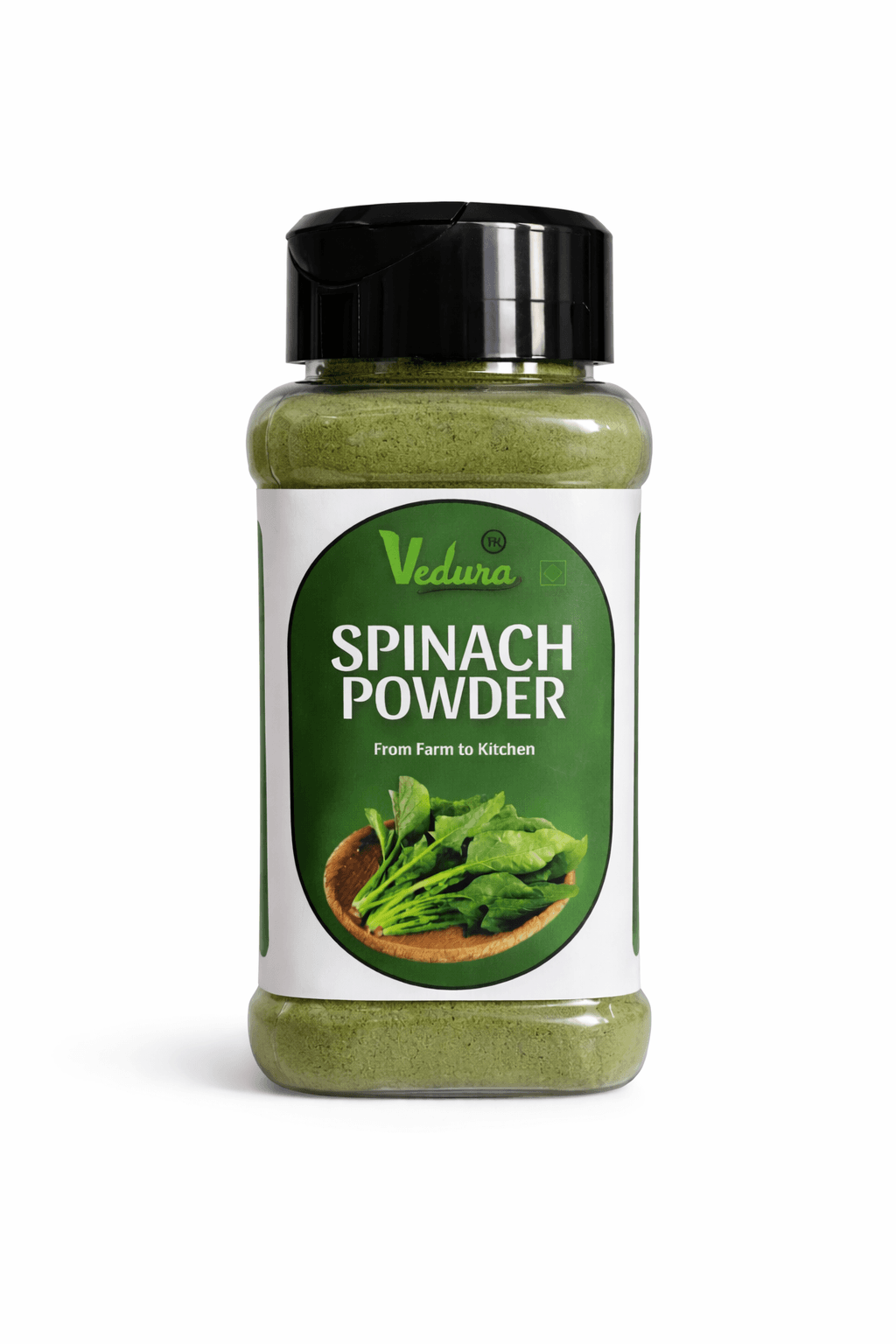
For instance, Vedura Foods offers a high-quality dehydrated-spinach-powder that can be a fantastic starting point for parents looking to introduce greens discreetly.
Sneaky Strategies: Blending Greens into Indian Staples
The beauty of dehydrated greens lies in their versatility. They can be incorporated into a wide array of everyday Indian dishes without raising suspicion.
1. Parathas and Rotis
Kneading dough for parathas or rotis? This is an ideal canvas. Add a teaspoon or two of spinach powder to the flour along with the water and oil. The dough might take on a subtle green hue, but the flavour will be masked by spices and butter/ghee. Think palak paratha, but without the effort of pureeing fresh spinach.
2. Dosa and Idli Batter
A pinch of dehydrated greens powder can be mixed into your fermented dosa or idli batter. It will add a slight colour, but the tangy flavour of the batter and the accompanying chutneys will keep your child none the wiser. This is an excellent way to boost breakfast nutrition.
3. Soups and Dal
Towards the end of cooking a comforting dal or a vegetable soup, stir in a small amount of spinach or moringa powder. It dissolves quickly, enriching the dish with vitamins and minerals. The existing flavours of the spices and vegetables will easily mask any subtle taste.
4. Sauces and Chutneys
Making a tomato-based curry or a green chutney? A dash of dehydrated greens powder can enhance the nutritional profile. Just remember to use it sparingly so as not to alter the intended flavour too much.
5. Snacks and Fritters
When preparing pakoras, dhokla, or even vegetable cutlets, mix some dehydrated greens into the batter or mixture. The frying process and the accompanying spices will ensure the greens go undetected while adding valuable nutrients.
Portion Control and Taste Tips
Success with this strategy often comes down to a few key principles:
Start Small
Begin with a very small amount, perhaps half a teaspoon, and gradually increase it as your child adjusts. The goal is to introduce nutrients without triggering a rejection.
Combine with Favourites
Introduce greens into dishes your child already loves. A favourite potato sabzi or a paneer curry can be an excellent vehicle for these hidden nutrients.
Use Spices Wisely
Indian cuisine is rich in vibrant spices that naturally mask subtle flavours. Leverage this to your advantage. Cumin, coriander, turmeric, and garam masala can effectively cover any hint of green taste.
Experiment with Different Greens
While spinach is a popular choice, don't limit yourself. Explore moringa, mint, or even fenugreek leaf powder to diversify nutrient intake. Always check the ingredients and source of your dehydrated greens to ensure quality and purity, as recommended by FSSAI guidelines for food product safety.
FAQs
Q: Are dehydrated greens as nutritious as fresh greens?
A: Yes, generally. While some heat-sensitive vitamins like Vitamin C might see a slight reduction during dehydration, most other nutrients, including minerals, fibre, and fat-soluble vitamins, are well-preserved. The concentration process means a smaller amount of powder can provide significant nutrition.
Q: How much spinach powder should I add to my child's meal?
A: Start with a very small amount, around half a teaspoon for a single serving, and observe your child's reaction. If it goes unnoticed, you can gradually increase it to one full teaspoon or slightly more, depending on the dish and your child's tolerance.
Q: Will my child notice the taste of the dehydrated greens?
A: When used in small quantities and mixed into flavourful Indian dishes, it's highly unlikely your child will notice the taste. The goal is to blend it seamlessly, letting the existing spices and ingredients dominate the flavour profile.
Q: Can I use dehydrated greens for toddlers and babies?
A: Yes, dehydrated greens can be safely introduced to toddlers and babies who are already on solid foods. Start with a tiny pinch in purees, dals, or porridges. Always consult your paediatrician before introducing new foods, especially if your child has any allergies or dietary restrictions.
Q: Where can I buy good quality dehydrated greens?
A: Look for brands that specialize in natural, wholesome Indian foods. Vedura Foods, for example, offers a range of natural dehydrated greens, including spinach powder, sourced and processed with quality in mind to retain maximum nutrition and flavour. Ensure the product has no added preservatives, colours, or artificial flavours.
Explore topics
Continue your Vedura journey
Explore product pages, practical recipes, and research-led explainers connected to this topic.
Comments
Be the first to comment.