
In early 2025, the list of active geopolitical flashpoints affecting global food systems reads like a crisis inventory: the ongoing conflict in the Middle East disrupting shipping lanes through the Red Sea, the Russia-Ukraine war entering its third year with continued impact on global wheat and sunflower oil supply, rising tensions in multiple regions putting pressure on commodity markets, and energy price volatility rippling through every stage of food production and transport.
The global food system is under stress in ways that are visible in Indian markets too. Edible oil prices have remained elevated. Wheat flour costs have not returned to pre-conflict lows. Certain imported food categories have seen meaningful price increases.
The World's Food Supply Is Under Pressure. India's Kitchen Tradition Has an Answer.
In early 2025, the list of active geopolitical flashpoints affecting global food systems reads like a crisis inventory: the ongoing conflict in the Middle East disrupting shipping lanes through the Red Sea, the Russia-Ukraine war entering its third year with continued impact on global wheat and sunflower oil supply, rising tensions in multiple regions putting pressure on commodity markets, and energy price volatility rippling through every stage of food production and transport.
The global food system is under stress in ways that are visible in Indian markets too. Edible oil prices have remained elevated. Wheat flour costs have not returned to pre-conflict lows. Certain imported food categories have seen meaningful price increases.
For the average Indian household, this is not abstract geopolitics. It shows up in the weekly grocery bill.
Why India Is Better Positioned Than Most
India is, by structural advantage, one of the more food-secure large economies in the world. The country is a net agricultural exporter, is substantially self-sufficient in staple grains, and has a domestic food culture built around ingredients that are grown, processed, and consumed within the subcontinent.
The vulnerability is in the categories where India depends on international supply chains - edible oils (particularly palm oil from Indonesia and Malaysia), certain pulses, and specialty food imports. When these supply chains are disrupted, domestic prices respond.
But the deeper resilience is cultural, not just agricultural. Traditional Indian households have always maintained a well-stocked pantry as a matter of routine - dal in quantity, whole spices, ghee, shelf-stable grains. This was not emergency preparedness as a conscious strategy. It was simply how Indian kitchens were organised, built on a folk understanding that seasonal availability is variable and that a household without reserves is vulnerable.
The Pantry as Resilience
The Indian concept of the "storeroom" - a dedicated space for dry goods, whole spices, grains, and preserved foods - encodes centuries of food security wisdom. In a bad harvest year, the household with reserves ate differently but ate. The household without reserves did not.
Modern urban Indian households have moved away from this model. Smaller apartments, frequent shopping, refrigerator-dependent fresh produce - the monthly-stock pantry has been largely replaced by the two-or-three-times-a-week grocery run. When supply is disrupted - by price spikes, by seasonal unavailability, by logistics challenges - the resilience that comes from reserves is absent.
The current global environment is a practical reminder of why this tradition made sense.
Building a Resilient Pantry in 2025
The most cost-effective, nutritionally complete, and space-efficient version of a resilient Indian pantry has the following architecture:
Protein layer: Whole dals and legumes in sealed containers. Masoor, moong, toor, rajma, chana. These are shelf-stable for 12-18 months, nutritionally complete, and the backbone of Indian protein intake.
Grain layer: Whole wheat atta, rice, beaten rice (poha), oats. These need airtight storage and proper containers to prevent weevil infestation.
Fat layer: Ghee (shelf-stable for months without refrigeration in sealed containers), cold-pressed mustard oil or coconut oil.
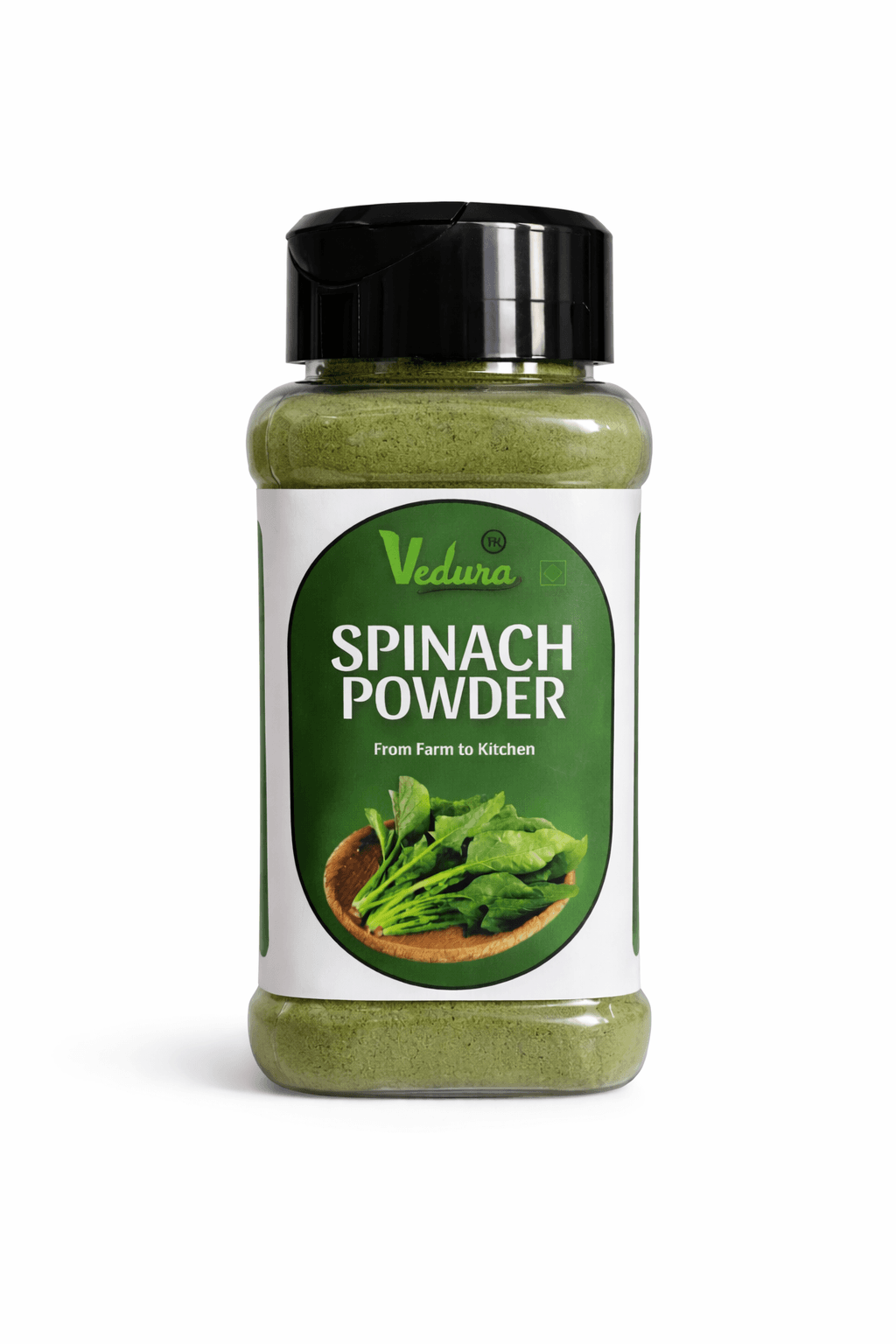
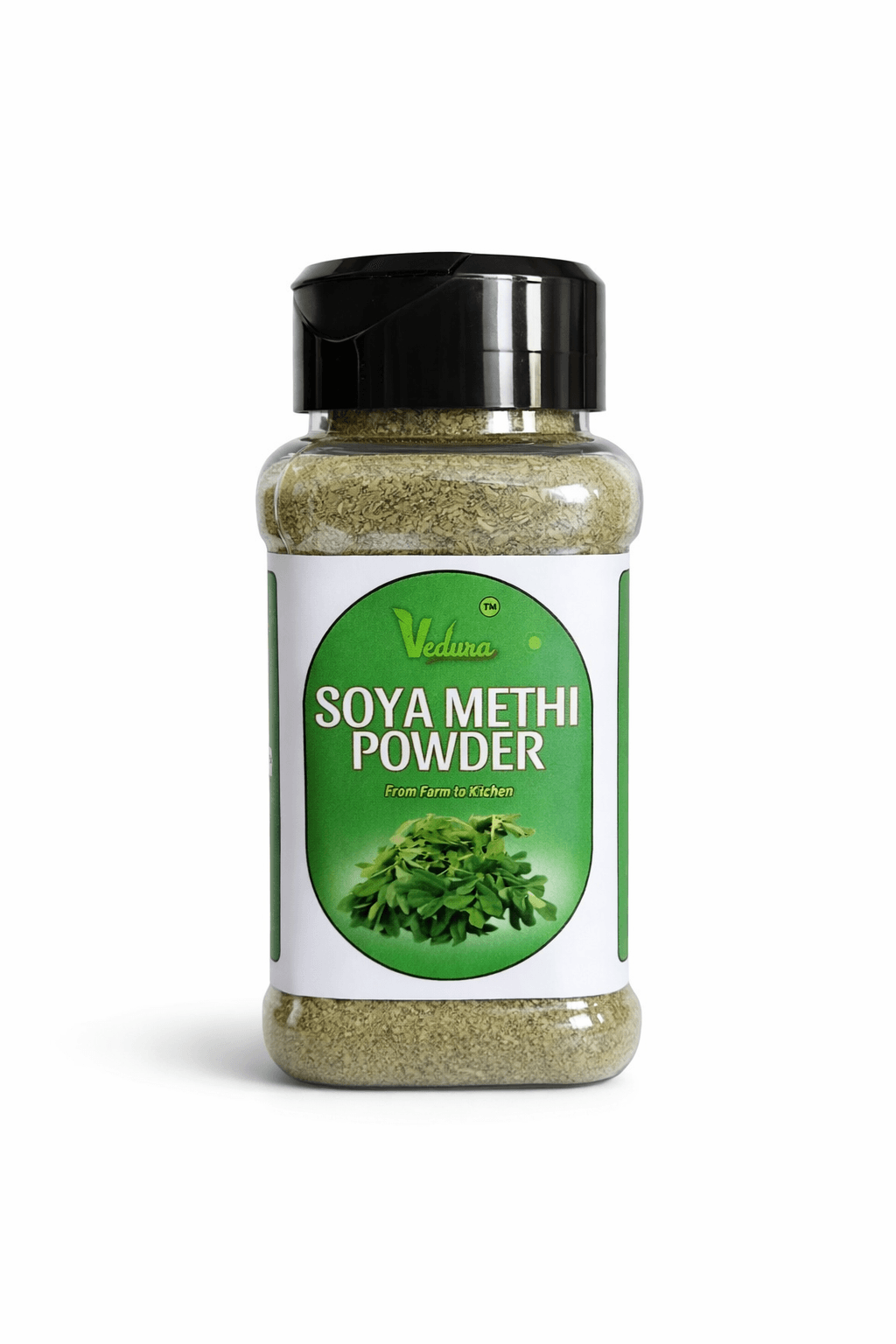
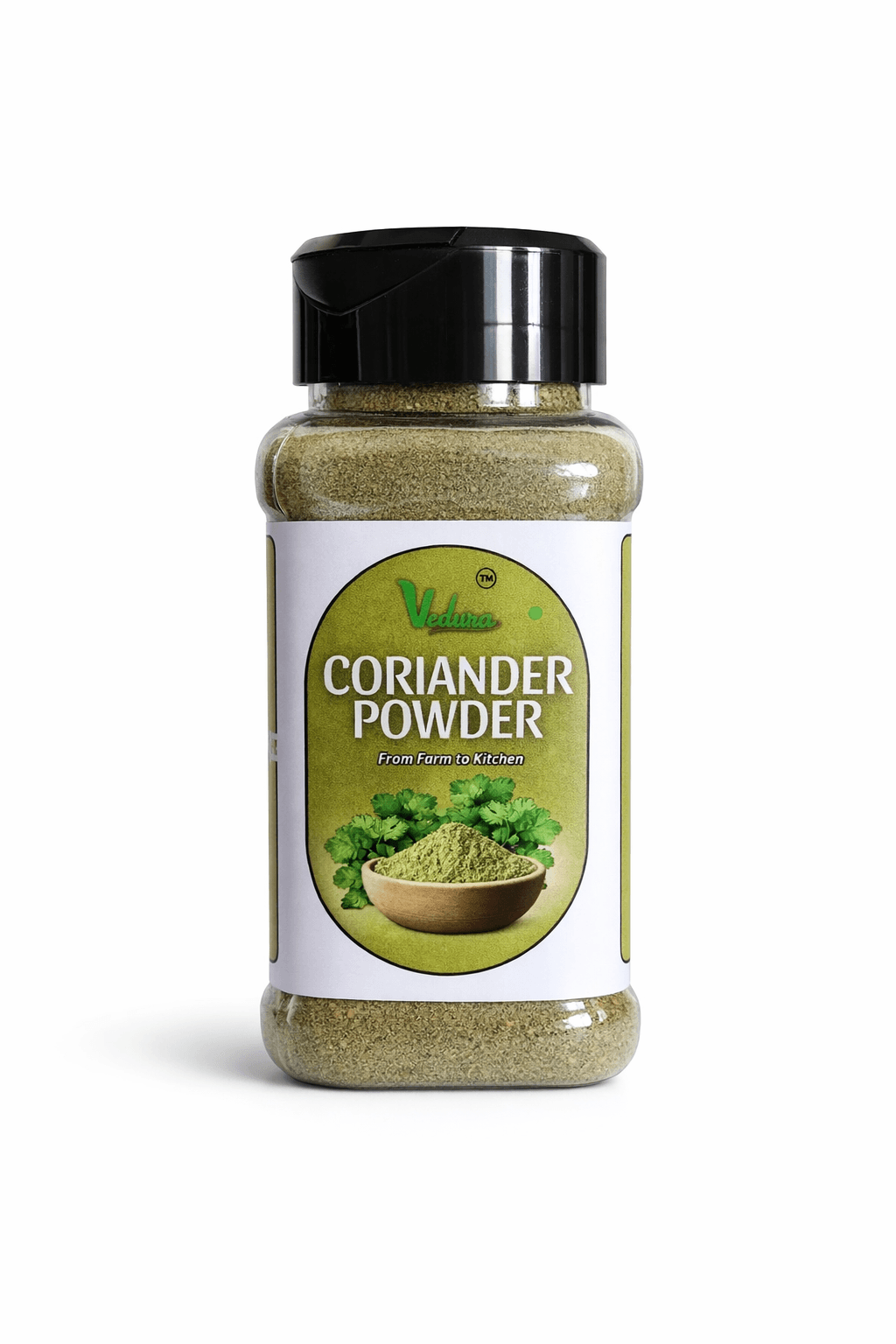
Nutrition layer - where dehydrated greens matter most: This is the gap in most modern Indian pantries. Fresh greens are not shelf-stable. Frozen greens require power. But dehydrated spinach powder, sarso powder, bathua powder, methi powder, and coriander powder are shelf-stable for 12 months, take minimal storage space, and deliver the micronutrient profile of a full green vegetable into every meal.
In a period when fresh produce prices spike - which inevitably happens during supply chain stress - the household with a pantry that includes dehydrated greens continues to eat nutritiously without being exposed to fresh market price volatility.
Spice layer: Whole spices last years in sealed glass jars. Ground spice blends need more frequent rotation (every 6-9 months). A well-stocked spice shelf is the difference between nutritious, flavourful cooking and calorie-dense but nutritionally thin food during a period of limited fresh ingredient access.
The Calm Response to Global Uncertainty
This is not a recommendation to hoard food or to treat global events with panic. India's food system is fundamentally stable, and the disruptions visible in 2025 are challenges to manage rather than crises to fear.
It is a recommendation to build the kind of kitchen that your grandparents' generation maintained as standard - one that is stocked, resilient, and capable of producing nutritious food regardless of what is available at the market on any given week.
The geopolitical environment has changed. The wisdom of a well-stocked pantry has not.
Explore topics
Continue your Vedura journey
Explore product pages, practical recipes, and research-led explainers connected to this topic.
Comments
Be the first to comment.