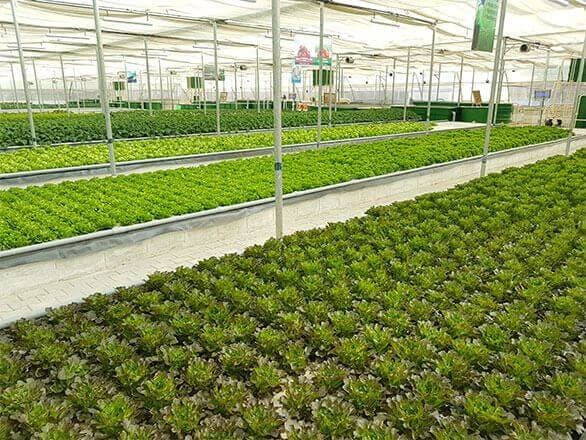
India, a land of abundant agricultural produce, faces a critical challenge: post-harvest losses. For highly perishable items like leafy greens, these losses can be substantial, often ranging from 20-40% before they even reach the consumer. This not only impacts farmer incomes but also contributes significantly to food waste, posing an environmental and economic burden. The Ministry of Food Processing Industries (MoFPI) has consistently highlighted the need for robust food processing and preservation infrastructure to mitigate these losses, with dehydration being a key strategy. Traditional methods like sun-drying have been practiced for centuries, but modern techniques offer improved hygiene and nutrient retention.
Dehydration involves removing moisture from food, effectively halting microbial growth and enzymatic reactions that lead to spoilage. This process dramatically extends shelf life, making greens available long after their typical harvest season. Beyond mere preservation, dehydration plays a crucial role in managing surplus produce, providing farmers with better market access, and ensuring a consistent supply of essential nutrients to consumers, even in regions or seasons where fresh produce is scarce or expensive. It transforms highly perishable goods into stable, lightweight, and easily storable forms, making them accessible to a wider population.
Quick Summary
Dehydrated greens offer a compelling alternative to their fresh counterparts, particularly in terms of extended shelf life, reduced waste, and year-round availability. While fresh greens provide peak nutrient content when consumed immediately, modern dehydration techniques effectively retain a significant portion of essential vitamins and minerals, making them a nutritious and convenient choice for contemporary Indian kitchens, especially in the context of addressing significant post-harvest losses.
The Challenge of Fresh Produce: A Look at Post-Harvest Loss
India, a land of abundant agricultural produce, faces a critical challenge: post-harvest losses. For highly perishable items like leafy greens, these losses can be substantial, often ranging from 20-40% before they even reach the consumer. This not only impacts farmer incomes but also contributes significantly to food waste, posing an environmental and economic burden. The Ministry of Food Processing Industries (MoFPI) has consistently highlighted the need for robust food processing and preservation infrastructure to mitigate these losses, with dehydration being a key strategy. Traditional methods like sun-drying have been practiced for centuries, but modern techniques offer improved hygiene and nutrient retention.
Dehydration as a Solution: Beyond Just Shelf Life
Dehydration involves removing moisture from food, effectively halting microbial growth and enzymatic reactions that lead to spoilage. This process dramatically extends shelf life, making greens available long after their typical harvest season. Beyond mere preservation, dehydration plays a crucial role in managing surplus produce, providing farmers with better market access, and ensuring a consistent supply of essential nutrients to consumers, even in regions or seasons where fresh produce is scarce or expensive. It transforms highly perishable goods into stable, lightweight, and easily storable forms, making them accessible to a wider population.
Nutritional Face-Off: Dehydrated vs. Fresh Greens
The comparison between dehydrated and fresh greens often sparks debate, particularly regarding nutritional value. It's not a matter of one being inherently superior, but rather understanding their respective strengths and ideal uses.
Nutrient Retention in Dehydration
While the dehydration process does involve heat, which can affect some heat-sensitive nutrients like Vitamin C, most other vitamins, minerals, and fiber are remarkably well-preserved. For instance, minerals like iron, calcium, and potassium, along with dietary fiber, are largely retained. Studies by institutions like the Indian Council of Medical Research - National Institute of Nutrition (ICMR-NIN) Hyderabad suggest that while a minor reduction in certain vitamins might occur, the concentration of nutrients per gram often increases due to the removal of water, meaning a smaller quantity of dehydrated greens can pack a comparable nutritional punch to a larger volume of fresh greens.
The Fresh Advantage
Undeniably, fresh greens, picked at their peak and consumed immediately, offer the maximum possible nutrient content, especially for highly volatile compounds. Their vibrant texture and natural water content also contribute to a unique culinary experience. However, the window for this peak nutritional value is often very short, and nutrient degradation begins almost immediately after harvest, accelerating during transport and storage.
Here's a quick comparison:
| Feature | Fresh Greens | Dehydrated Greens |
|:---------------------|:----------------------------------------------------------|:-------------------------------------------------------------------------------------------------------------------|
| Nutrient Profile | Peak content if consumed immediately post-harvest. Higher Vitamin C (initially). | Excellent retention of minerals, fiber, and most vitamins. Concentrated nutrients per gram. |
| Shelf Life | Very short (3-7 days refrigerated). Highly perishable. | Very long (6-12 months or more if stored properly). Stable. |
| Convenience | Requires washing, chopping; quick spoilage. | Ready-to-use, no washing/chopping. Easy storage, lightweight. |
| Waste Reduction | High potential for spoilage and waste. | Dramatically reduces food waste due to extended shelf life. |
| Cost-Effectiveness | Can be cheaper per kg initially, but higher waste leads to effective higher cost. | Higher initial cost per kg, but zero waste and long shelf life can be more economical long-term. |
| Culinary Use | Salads, stir-fries, immediate cooking. | Soups, stews, curries, smoothies, baking; excellent for thickening and adding flavor. |
Convenience, Cost, and Culinary Versatility
Beyond nutrition, the practical aspects of using fresh versus dehydrated greens are significant for the average Indian household.
Ease of Use and Storage
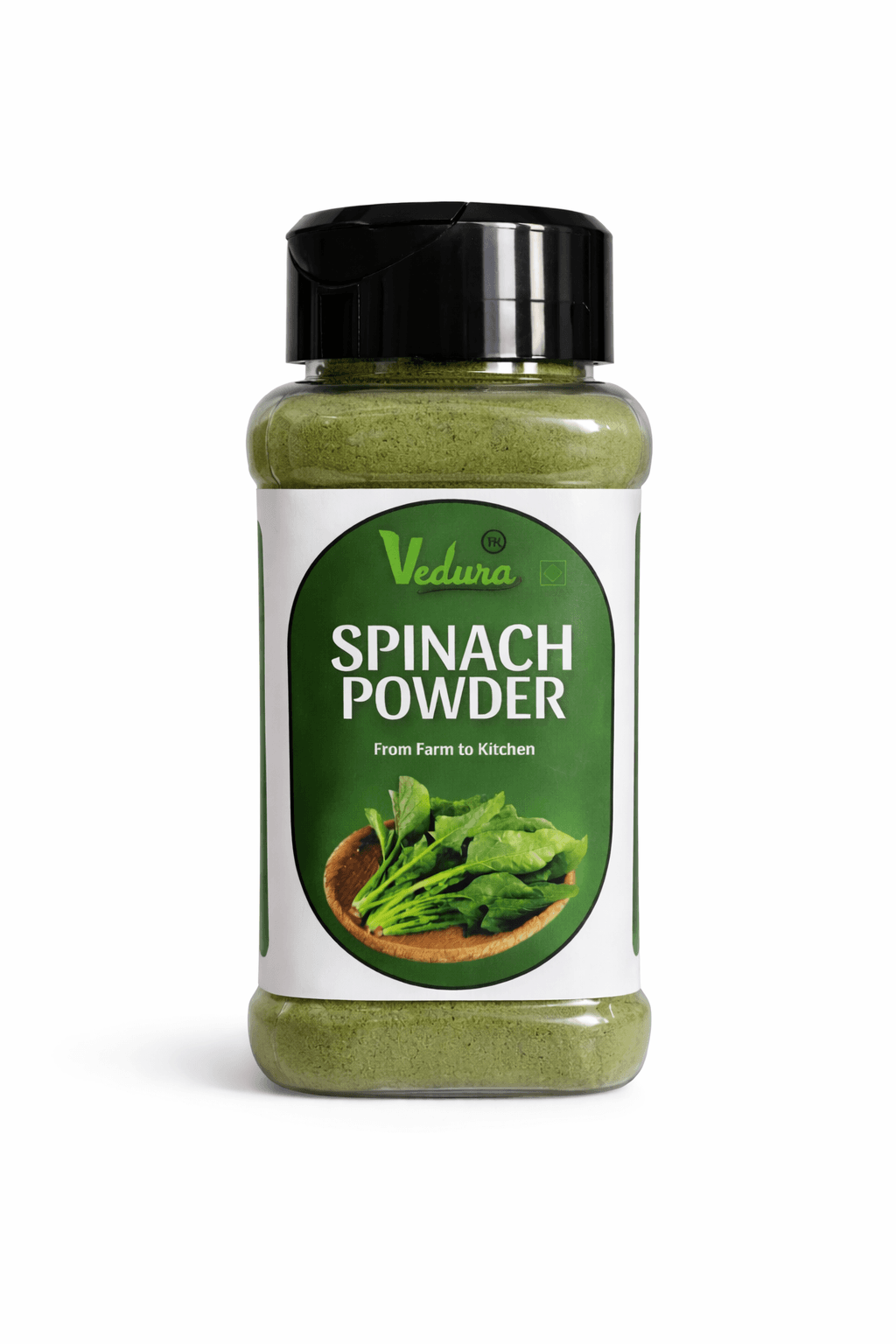
Dehydrated greens offer unparalleled convenience. They require no washing, chopping, or sorting of wilted leaves. Simply rehydrate them or add them directly to your cooking. Their lightweight nature and minimal storage requirements (a cool, dry pantry) free up valuable refrigerator space, a common constraint in many homes. Vedura's dehydrated spinach powder (available at https://www.vedurafoods.com/product/dehydrated-spinach-powder) for instance, simplifies adding nutrition to anything from dals to rotis.
Economic Sense
While the per-kilogram price of dehydrated greens might appear higher than fresh produce, a closer look at effective cost reveals a different picture. Considering the complete absence of waste, the ability to buy in bulk, and year-round availability regardless of seasonal price fluctuations, dehydrated greens can often be more economical in the long run. There's no spoilage to throw away, ensuring every rupee spent translates into edible food.
Culinary Applications
Fresh greens are indispensable for certain dishes, especially those where their crisp texture is paramount, like salads or a quick palak paneer. Dehydrated greens, however, excel in applications where their concentrated flavor and rehydrated texture blend seamlessly, such as in rich curries, soups, stews, dals, and even baking. They can also be ground into powders, becoming versatile nutrient boosters for smoothies, chapatis, or idli batter.
When to Choose What: Making an Informed Decision
The choice between fresh and dehydrated greens isn't about declaring a winner, but about making an informed decision based on your needs, culinary goals, and lifestyle.
Choose fresh greens when:
* You prioritize crisp texture and vibrant raw flavors (e.g., salads, sandwiches).
* You have immediate access to freshly harvested produce and plan to consume it quickly.
* You have ample refrigerator space and time for preparation.
Choose dehydrated greens when:
* You seek convenience and minimal preparation time.
* You need a long-lasting, shelf-stable source of greens (e.g., for travel, emergencies, or remote living).
* You want to reduce food waste and save money over time.
* You're cooking dishes like curries, soups, dals, or smoothies where rehydrated greens integrate well.
* You want to ensure a consistent supply of nutrients regardless of season or market availability. Both forms have their place in a balanced Indian diet, contributing to health and culinary diversity. Integrating dehydrated greens into your pantry is a smart step towards sustainable and convenient eating, aligning with national efforts to minimize food waste.
FAQs
Q: Do dehydrated greens lose all their vitamins?
A: No, dehydrated greens do not lose all their vitamins. While some heat-sensitive vitamins like Vitamin C may see a minor reduction during the drying process, the majority of minerals, fiber, and other vitamins are largely retained. The removal of water often concentrates the remaining nutrients per gram.
Q: Are dehydrated greens as good as fresh for daily cooking?
A: Dehydrated greens are an excellent and nutritious option for daily cooking, especially for dishes like curries, dals, and soups where their texture blends well. While fresh greens offer a unique crispness for salads, dehydrated greens provide consistent nutrition and convenience without the risk of spoilage, making them very practical for regular use.
Q: How do dehydrated greens help reduce food waste?
A: Dehydrated greens significantly reduce food waste by extending the shelf life of perishable produce from days to many months. This prevents spoilage during transport, storage, and in the consumer's home, ensuring that more of the harvested food is actually consumed rather than discarded.
Q: Can I use dehydrated spinach powder in traditional Indian dishes?
A: Absolutely! Dehydrated spinach powder is incredibly versatile for traditional Indian dishes. You can easily add it to thicken and enrich dals, curries, and gravies, mix it into atta for nutritious chapatis or parathas, or even incorporate it into idli/dosa batter for a healthy green boost.
Q: What is the shelf life of properly stored dehydrated greens?
A: When stored correctly in an airtight container in a cool, dry, dark place, dehydrated greens can have a shelf life of 6 to 12 months, and sometimes even longer. This extended shelf life is one of their primary advantages over fresh produce.
Q: Is it more expensive to buy dehydrated greens?
A: While the upfront per-kilogram cost of dehydrated greens might seem higher than fresh, they can often be more cost-effective in the long run. This is because there is virtually no waste from spoilage, and they can be bought in bulk and stored for extended periods, avoiding seasonal price hikes and ensuring every purchase is fully utilized.
Explore topics
Continue your Vedura journey
Explore product pages, practical recipes, and research-led explainers connected to this topic.
Comments
Be the first to comment.