
When one hears "chaat masala," images of bustling street vendors, tangy golgappas, and spicy aloo tikki often come to mind. While it is undeniably the soul of these iconic Indian snacks, limiting chaat masala to just chaat is like owning a multi-tool and only using its screwdriver. This vibrant blend of spices holds immense potential to enhance a wide array of dishes, introducing a burst of flavour that is both familiar and excitingly new.
Its magic lies in its ability to add a complex layer of taste – sour, salty, spicy, and a touch of something indefinable, often referred to as umami – that brightens and invigorates ingredients. From simple salads to sophisticated main courses, a dash of chaat masala can transform the mundane into the memorable.
Quick Summary
Chaat masala, a beloved Indian spice blend, offers far more culinary versatility than just seasoning traditional chaat. Its unique tangy, spicy, and umami profile can elevate everything from fresh fruit and beverages to roasted vegetables and grilled delights, making it a pantry essential for creative home cooks. This post explores its distinct flavour, various innovative uses, and how it compares to the heritage spice blend, Buknu.
Beyond the Street Cart: Chaat Masala's Versatility
When one hears "chaat masala," images of bustling street vendors, tangy golgappas, and spicy aloo tikki often come to mind. While it is undeniably the soul of these iconic Indian snacks, limiting chaat masala to just chaat is like owning a multi-tool and only using its screwdriver. This vibrant blend of spices holds immense potential to enhance a wide array of dishes, introducing a burst of flavour that is both familiar and excitingly new.
Its magic lies in its ability to add a complex layer of taste – sour, salty, spicy, and a touch of something indefinable, often referred to as umami – that brightens and invigorates ingredients. From simple salads to sophisticated main courses, a dash of chaat masala can transform the mundane into the memorable.
The Flavour Profile: What Makes Chaat Masala Unique?
At its core, chaat masala is a meticulously crafted blend of dried mango powder (amchur), black salt (kala namak), cumin, coriander, black pepper, asafoetida (hing), and chili powder, among other spices. The precise ratio varies, often being a closely guarded family secret or a proprietary blend from spice manufacturers.
The key ingredient that gives chaat masala its characteristic tang is amchur. Derived from sun-dried, unripe green mangoes, amchur contributes a sourness that is distinct from lemon or tamarind, offering a fruity acidity. Black salt, or kala namak, is another non-negotiable component, providing a pungent, sulphuric aroma and a unique savoury depth that regular table salt cannot replicate. This combination, as detailed by culinary historian K.T. Achaya in his writings on Indian food, creates a symphony of tastes that awakens the palate. The Spice Board of India also frequently highlights the diverse applications of such regional spice blends in promoting Indian cuisine globally.
Fruity Twists and Refreshing Sips
One of the simplest yet most delightful ways to use chaat masala is with fresh fruit. Imagine a bowl of sliced watermelon, pineapple, guava, or even apples, sprinkled generously with this spice. The masala cuts through the sweetness of the fruit, adding a zesty kick that makes each bite more vibrant. It's a common sight in Indian households and a fantastic way to elevate a healthy snack.
Beyond fruit, chaat masala is a secret weapon for refreshing beverages. A pinch in freshly squeezed lemonade, a glass of buttermilk (chaas), or even a fruit juice blend can transform it into an invigorating drink. For instance, a simple nimbu pani (lemonade) infused with chaat masala and a sprig of mint becomes an instant cooler, perfect for a warm afternoon. Try it in a virgin mojito or a cucumber mint cooler for an unexpected zing.
Innovative Fruit & Drink Pairings
* Fruit Salad: Mango, papaya, guava, apple, orange slices. Add a squeeze of lime.
* Lassi/Buttermilk: A pinch in plain lassi or chaas adds a savoury, tangy note.
* Cucumber Sticks: A healthy snack with a spicy twist.
* Coconut Water: Just a tiny pinch can enhance the natural sweetness and add complexity.
Savory Sensations: Vegetables, Grills, and More
Chaat masala's versatility extends beautifully to cooked vegetables and grilled items. Here are some ideas to inspire your culinary experiments:
* Roasted Vegetables: Toss diced potatoes, cauliflower, broccoli, bell peppers, or even sweet potatoes with a little oil and chaat masala before roasting. The spices caramelise, creating a crispy, flavourful crust that's addictive. This works wonderfully for oven-roasted vegetables or air-fried options.
* Grilled Corn on the Cob: A classic street food across India, grilled corn on the cob is often slathered with lime juice and then dusted with chaat masala. The smoky char of the corn combined with the tangy spice is an irresistible combination.
* Salads: Move beyond the traditional chaat and sprinkle it over green salads, bean salads, or even pasta salads for an Indian-inspired twist. It adds depth and a unique flavour profile that can make a simple salad much more exciting.
* Marinades: Incorporate a teaspoon into marinades for chicken, paneer, or fish. It adds a vibrant layer of flavour that works well with grilling or pan-frying. For instance, a paneer tikka marinade with chaat masala, yogurt, and ginger-garlic paste is a revelation.
* Sandwiches and Wraps: A sprinkle over scrambled eggs, a potato filling for a sandwich, or even a simple cheese toast can instantly elevate the flavour.
Chaat Masala vs. Buknu: A Heritage Perspective
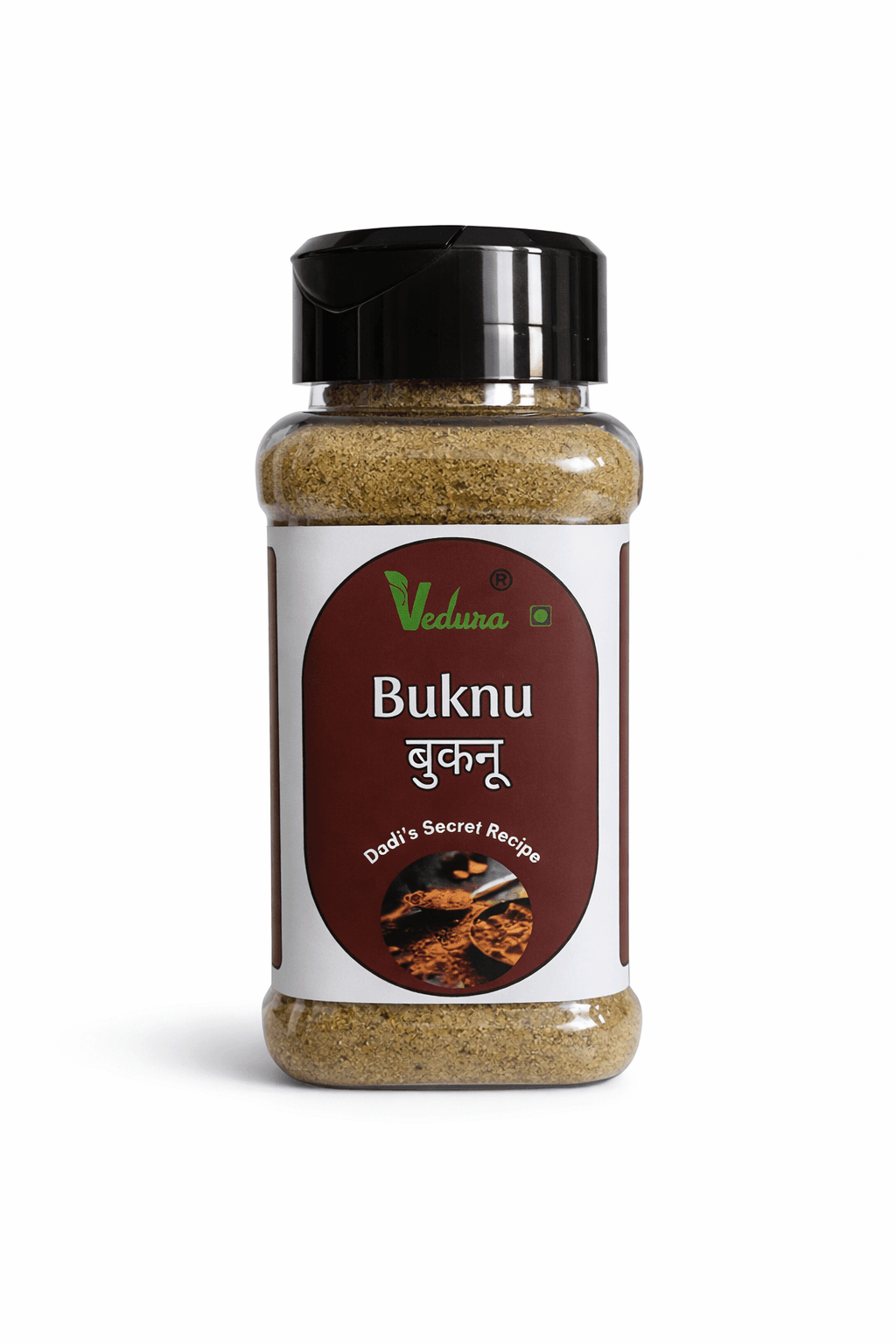
While chaat masala is widely known, it's worth noting its regional cousins and heritage blends. One such example is Buknu, a traditional spice mix originating from Uttar Pradesh, particularly popular in the Kanpur-Awadhi region. Buknu, unlike chaat masala, is often a more complex blend, sometimes containing over 20-30 different spices, herbs, and even lentil flours. It's typically roasted and ground, resulting in a deeper, earthier, and often more pungent flavour profile, without the prominent amchur tang of chaat masala.
Buknu is traditionally used to season dal, curries, and sometimes even a simple roti with ghee, offering a warming, complex spice hit rather than a tangy burst. While both are flavour enhancers, their applications and flavour impact are distinct. Vedura Foods, recognising the value of such heritage blends, offers an authentic Buknu spice blend that honors this culinary tradition. You can explore this unique alternative at https://www.vedurafoods.com/product/buknu for a different kind of Indian spice experience.
FAQs
Q: Can I use chaat masala in international cuisine?
A: Absolutely! Chaat masala's complex flavour profile makes it a fantastic secret ingredient in fusion cooking. Try sprinkling it on avocado toast, roasted potatoes, or even in a lentil soup for an unexpected, tangy kick. Its ability to brighten flavours transcends geographical boundaries.
Q: Is chaat masala very spicy?
A: While chaat masala contains chili powder, its spiciness is generally moderate and balanced by the other tangy and savoury notes. The dominant sensation is typically tangy and savoury rather than purely hot. If you prefer less spice, you can use a smaller amount or look for milder versions.
Q: What is the main difference between chaat masala and garam masala?
A: The main difference lies in their flavour profiles and typical uses. Chaat masala is known for its tangy, salty, and slightly pungent taste due to amchur and black salt, primarily used as a finishing spice or seasoning for fresh foods. Garam masala, on the other hand, is a warming blend, often with sweeter spices like cardamom, cinnamon, and cloves, and is generally used during cooking to build a base flavour in curries and gravies.
Q: Can I make chaat masala at home?
A: Yes, you can. Many recipes are available online, allowing you to control the exact ratios and freshness of the spices. Essential ingredients include amchur (dried mango powder), kala namak (black salt), roasted cumin powder, coriander powder, black pepper, and chili powder. Grinding them fresh often yields a more aromatic and potent blend.
Q: How should I store chaat masala to keep it fresh?
A: To maintain its potency and aroma, store chaat masala in an airtight container in a cool, dark place, away from direct sunlight and moisture. Like most ground spices, it's best used within 6-12 months, although it will remain safe to consume for longer, albeit with diminished flavour.
Q: Is chaat masala a healthy spice blend?
A: In moderation, chaat masala can be a flavourful addition to a healthy diet. It's often used in small quantities, and its ingredients like cumin and coriander have known digestive benefits. However, due to its black salt content, individuals monitoring sodium intake should use it sparingly. Choosing a brand with natural ingredients, like Vedura Foods' commitment to quality, can also be a factor.
Explore topics
Continue your Vedura journey
Explore product pages, practical recipes, and research-led explainers connected to this topic.
Comments
Be the first to comment.