Every person who has grown up eating Indian home cooking has had this experience: you follow the exact same recipe. You use the same ingredients. You follow every step. And the result is - fine. Respectable. But not the same.
Your mother's dal has something yours does not. You cannot name it. But it is unmistakably absent.
Why Your Dal Tastes Worse Than Your Mother's (It's Not the Recipe)
Every person who has grown up eating Indian home cooking has had this experience: you follow the exact same recipe. You use the same ingredients. You follow every step. And the result is - fine. Respectable. But not the same.
Your mother's dal has something yours does not. You cannot name it. But it is unmistakably absent.
Here is the explanation, and it is not the secret ingredient you suspect.
Reason 1: Your Spices Are Old and Lifeless
This is the single biggest factor and the one most confidently ignored.
Spice freshness matters enormously, and the degradation is invisible. You cannot look at two-year-old cumin powder and tell that it has lost 60% of its volatile aromatic compounds. The colour looks the same. The texture is the same. But the flavour - the actual volatile molecules that your nose and palate detect - has evaporated.
Your mother's generation replaced spices frequently, bought in small quantities, often bought whole and ground as needed. Modern kitchens buy large economy packs, use them slowly, and keep them for 18-24 months.
The fix: Ground spices should be replaced every 6-9 months. Whole spices every 12-18 months. If you cannot remember when you bought it, replace it. The cost of fresh spices is far lower than the cost of cooking with lifeless ones.
Reason 2: You Are Not Finishing the Dish
The single most underused technique in modern Indian home cooking is the finishing step - adding specific flavour elements at the very end of cooking rather than only during it.
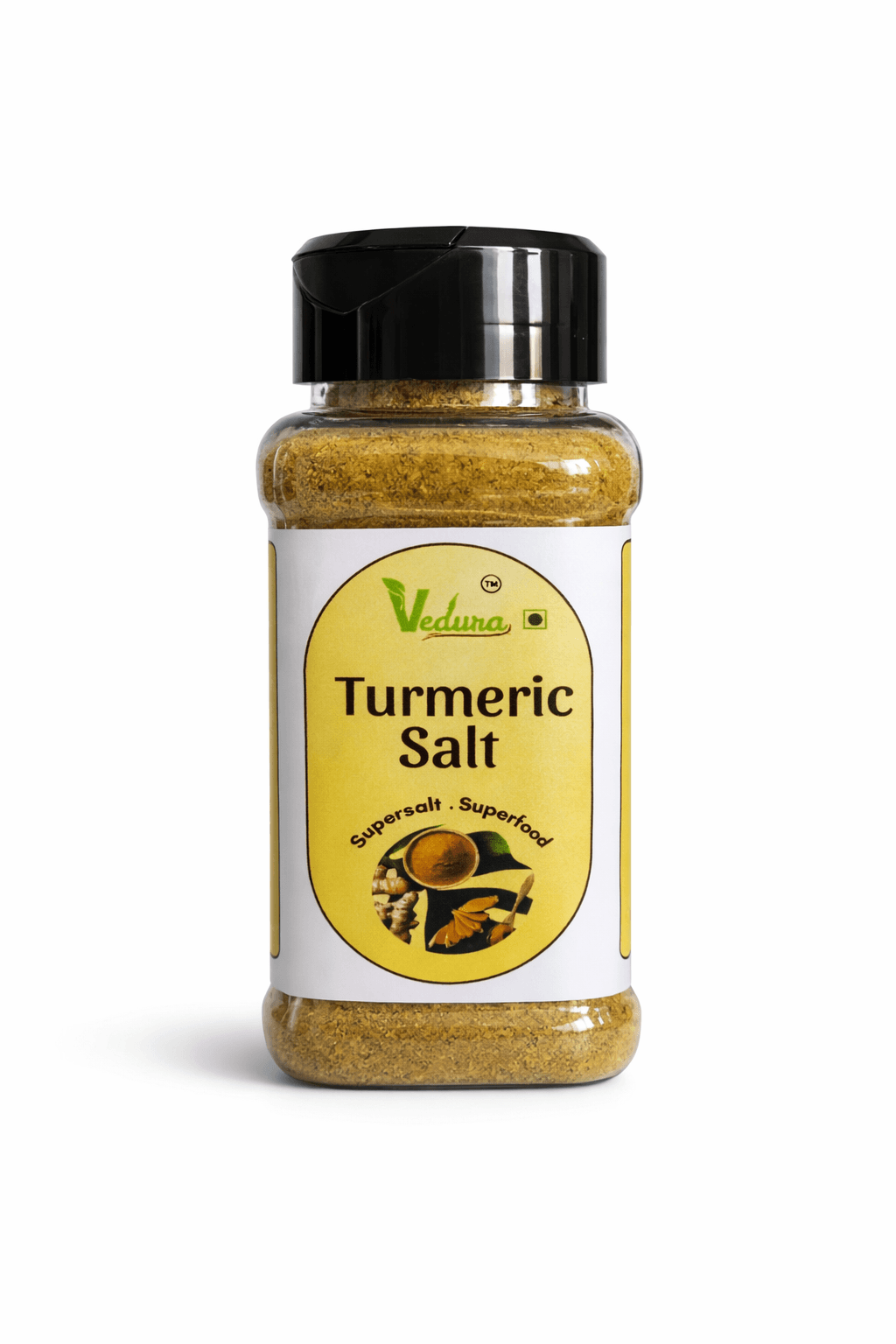
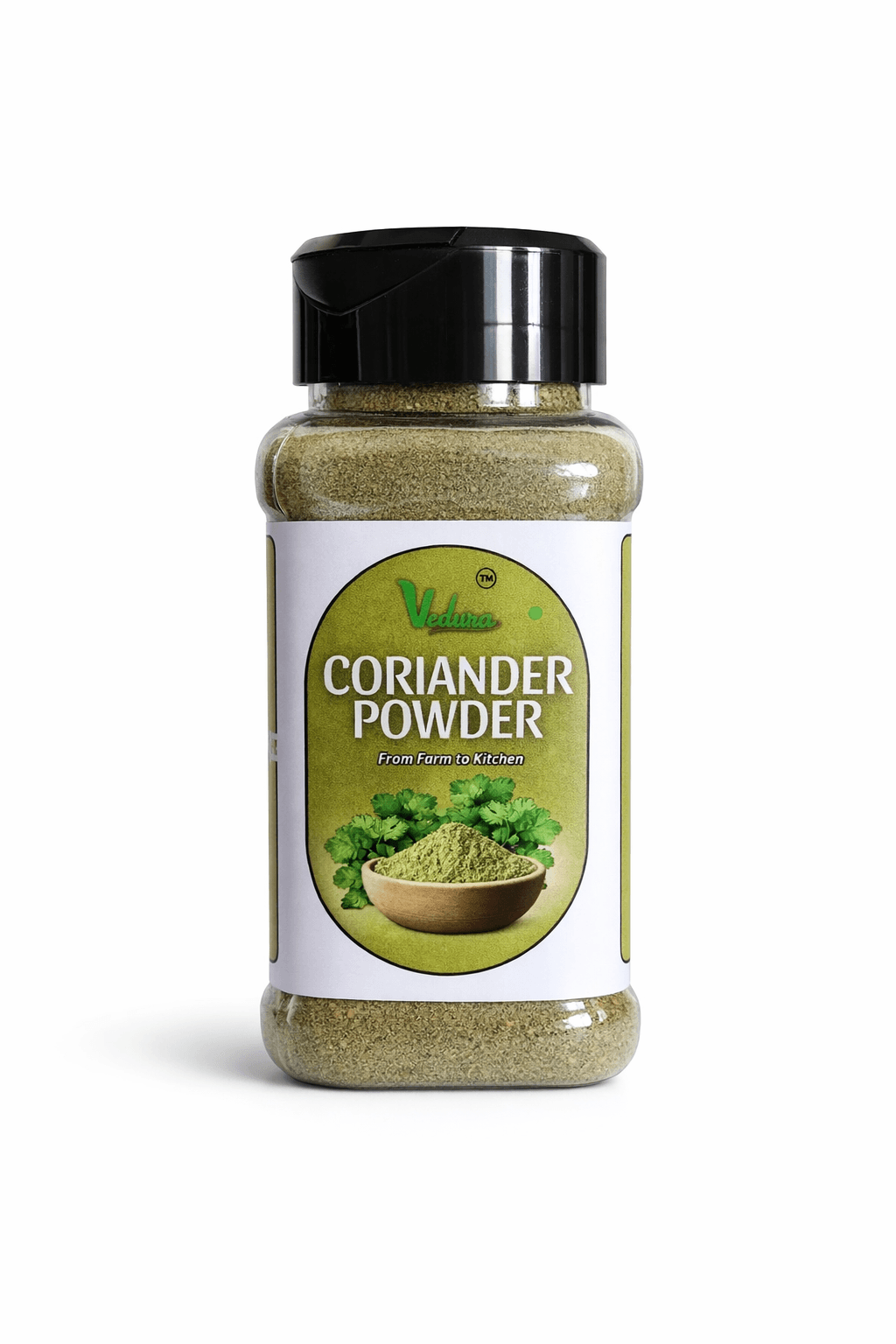
Fresh coriander added to a hot dal should go in after the heat is off or in the last 30 seconds. Turmeric salt should be sprinkled just before serving. A small knob of ghee or butter stirred in at the end adds a richness and gloss that changes the mouthfeel of the entire dal.
Your mother finished her dal. She added coriander at the end, not the beginning. She stirred in a small amount of ghee after plating. She squeezed lemon over it at the table. These steps are not decoration - they are completing the flavour architecture of the dish.
The fix: Build a finishing routine. Every dal, every curry, every rice dish gets a finishing touch - a sprinkle of turmeric salt, a scatter of coriander powder, a few drops of lemon, or a thread of ghee. The difference is immediate and dramatic.
Reason 3: Your Tadka Is Not Hot Enough or Fast Enough
The tadka (tempering) step - heating oil or ghee and adding whole spices, mustard seeds, jeera, dried chillies, curry leaves - is the most technically critical moment in Indian cooking. It is also the moment most home cooks rush, underheat, or crowd with too many ingredients at once.
Mustard seeds must reach their popping point. Jeera must darken before the next ingredient goes in. Hing must hit the oil hot enough to lose its raw smell. Curry leaves must crackle. Each of these is a chemical transformation, and each requires specific heat and timing.
When tadka is done at insufficient temperature - which is what happens when you are simultaneously managing two other pots - the volatile aromatics do not fully release. The tadka adds colour but not flavour depth. The result is a dal that looks right but tastes thin.
The fix: Tadka gets its own dedicated window. Pan hot before the oil goes in. Oil hot before the spices go in. And sufficient quantity of oil - not a mist of spray, not a teaspoon of caution. Tadka needs fat to carry the aromatics from spice to food.
Reason 4: You Stopped Tasting During Cooking
Cooking is a continuous sensory conversation with the food. Your mother tasted her dal at every stage - not to check if it was "done," but to understand where it was and what it needed next. More salt here. More acid there. Something is missing - a pinch of hing, a squeeze of lemon, a finishing sprinkle of a spice blend.
Modern cooking often happens with one eye on the phone and one on the pot, tasting only at the end when it is too late to make meaningful adjustments.
The fix: Taste at every stage. After the dal is cooked but before the tadka. After the tadka is added. Before and after any seasoning adjustment. Build the habit of knowing what the food needs rather than guessing at the end.
The One Thing That Ties All Four Together
All four of these issues have the same root cause: modern cooking has reduced the deliberateness and attention that Indian food requires to be genuinely good.
Indian cooking is not difficult. It is not slow. It is not complicated. But it is attentive - it rewards the cook who is present with it, who uses fresh ingredients, who finishes properly, who tastes continuously.
Your mother's dal tastes the way it does because she cooked it with attention. That is the ingredient you thought was secret. It was never secret. It was just easy to lose.
Explore topics
Continue your Vedura journey
Explore product pages, practical recipes, and research-led explainers connected to this topic.
Comments
Be the first to comment.