
The data on non-communicable disease in urban India tells a story that is not comfortable but is important to understand clearly.
Type 2 diabetes prevalence in urban India has risen from approximately 2% in the 1970s to over 17% today. Hypertension affects approximately 30% of urban adults. Obesity rates have tripled in the past three decades. Non-alcoholic fatty liver disease - rare in India thirty years ago - now affects approximately 25% of the urban population.
What Happens to Indian Health When We Stop Eating the Way Our Grandparents Did
The data on non-communicable disease in urban India tells a story that is not comfortable but is important to understand clearly.
Type 2 diabetes prevalence in urban India has risen from approximately 2% in the 1970s to over 17% today. Hypertension affects approximately 30% of urban adults. Obesity rates have tripled in the past three decades. Non-alcoholic fatty liver disease - rare in India thirty years ago - now affects approximately 25% of the urban population.
These are diseases that were uncommon in the population that ate the traditional Indian diet. They have become common in the population that has moved away from it.
The correlation is not proof of causation - many factors have changed simultaneously. But the dietary transition is a primary causal factor in virtually every serious analysis of India's NCD epidemic, and understanding the specific mechanisms is important for anyone making food choices today.
What the Traditional Indian Diet Provided
The traditional Indian diet - as eaten by the generation now in their 60s and 70s - had several characteristics that modern nutritional research identifies as broadly protective:
High dietary fibre: From whole grains (not refined flour), legumes, and seasonal vegetables consumed in substantial quantities. Dietary fibre feeds gut bacteria, slows glucose absorption, reduces cholesterol absorption, and supports satiety. The traditional Indian diet was exceptionally high fibre by any global comparison.
Low glycaemic load: Whole wheat roti, hand-pounded rice, and legumes all have lower glycaemic indices than refined wheat bread, polished white rice, or processed snack foods. The traditional diet produced more stable blood glucose curves.
High micronutrient density: Seasonal vegetables consumed in variety, whole spices with anti-inflammatory properties, fermented dairy, and leafy greens rich in iron, calcium, and vitamins. The traditional diet's micronutrient profile is difficult to replicate with modern convenience food.
Low ultra-processed food content: The ultra-processing of food - involving emulsifiers, artificial flavours, refined carbohydrates, and hydrogenated fats - is the dietary shift most strongly associated with NCD risk in current research. The traditional Indian diet contained almost no ultra-processed food by definition.
What the Modern Transition Has Added
The urban Indian dietary transition has introduced:
Refined wheat products: Maida in biscuits, breads, noodles, packaged snacks. Rapidly digested, high glycaemic index, essentially stripped of the fibre and micronutrients present in whole wheat.
Ultra-processed snack foods: India's packaged snack market has grown enormously. These products - designed for palatability through sugar-fat-salt combinations and flavour enhancers - provide calories with minimal nutritional value and are associated with overconsumption due to their palatability engineering.
Refined edible oils in high quantities: The shift from moderate ghee and cold-pressed oils to high-volume refined vegetable oils has changed the fatty acid balance of the diet in ways that researchers are increasingly concerned about.
Reduced legume consumption: Urban diets show lower dal consumption per capita than rural diets. This is partly driven by convenience (packaged food is faster than dal cooking), partly by aspiration (in some communities, dal is seen as humble food rather than desirable food), and partly by the availability of competitive convenience options.
Reduced seasonal vegetable variety: Urban market pressure toward standardised, non-seasonal produce (tomatoes, onions, and potatoes dominate most urban vegetable purchases year-round) has reduced the dietary diversity that traditional seasonal eating naturally provided.
The Three Health Outcomes Most Directly Linked to Dietary Transition
Type 2 diabetes: The combination of high glycaemic load from refined grains, reduced fibre from legume displacement, increased caloric density from ultra-processed food, and reduced anti-diabetic compounds from spices and methi creates multiple simultaneous risk factors.
Iron deficiency anaemia: The displacement of bathua, methi, and other iron-rich traditional greens from the urban diet, combined with reduced Vitamin C intake from fresh seasonal vegetables that would enhance iron absorption, has maintained anaemia rates that should have declined with rising incomes.
Gut microbiome disruption: Reduced dietary fibre (prebiotic starvation of gut bacteria), reduced fermented food consumption (probiotic decline), and increased emulsifier exposure from ultra-processed food have converged to produce measurably lower gut microbial diversity in urban Indian populations compared to rural ones.
The Recovery Available to Anyone
The traditional diet does not need to be recovered wholesale and all at once. The most important interventions are specific:
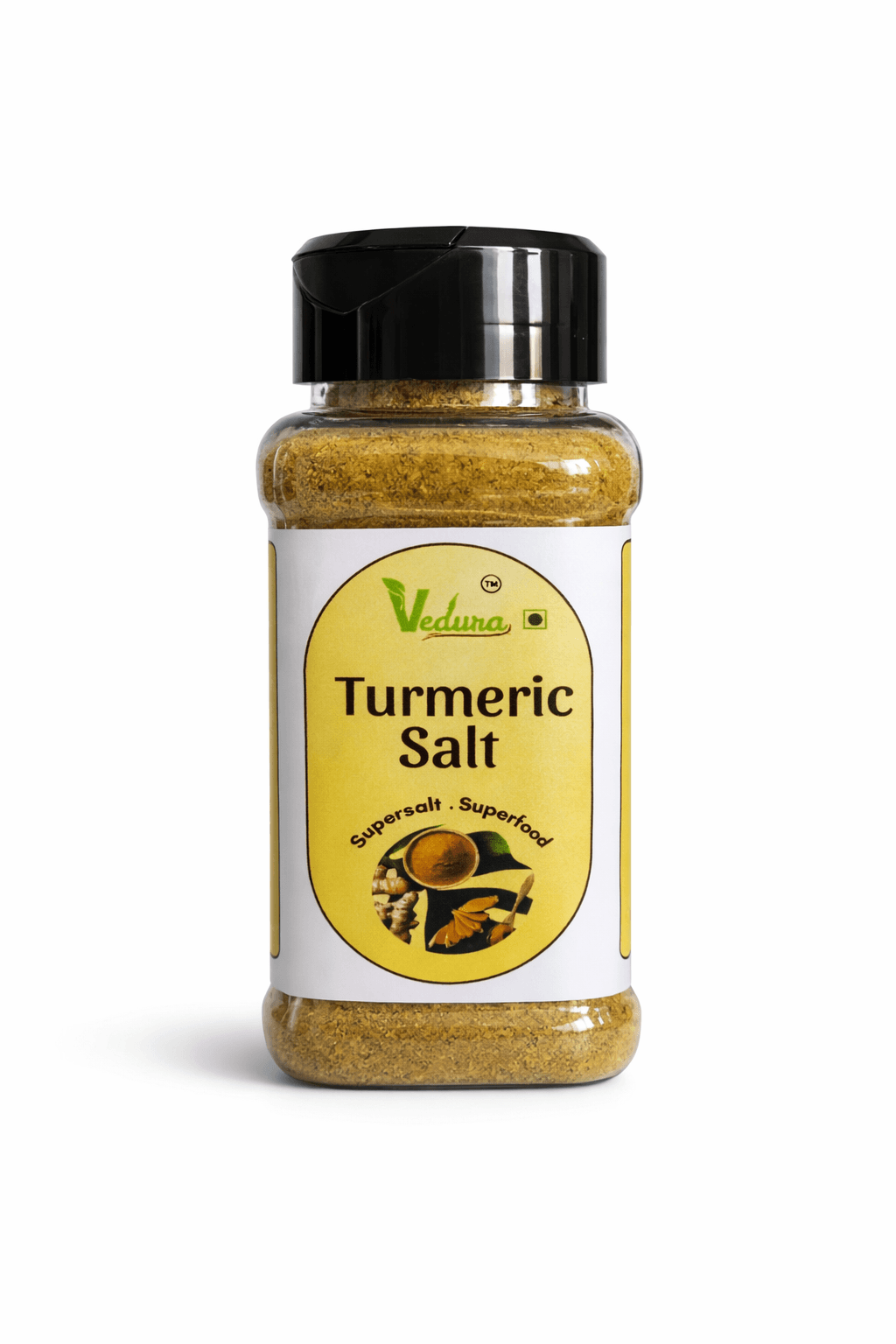
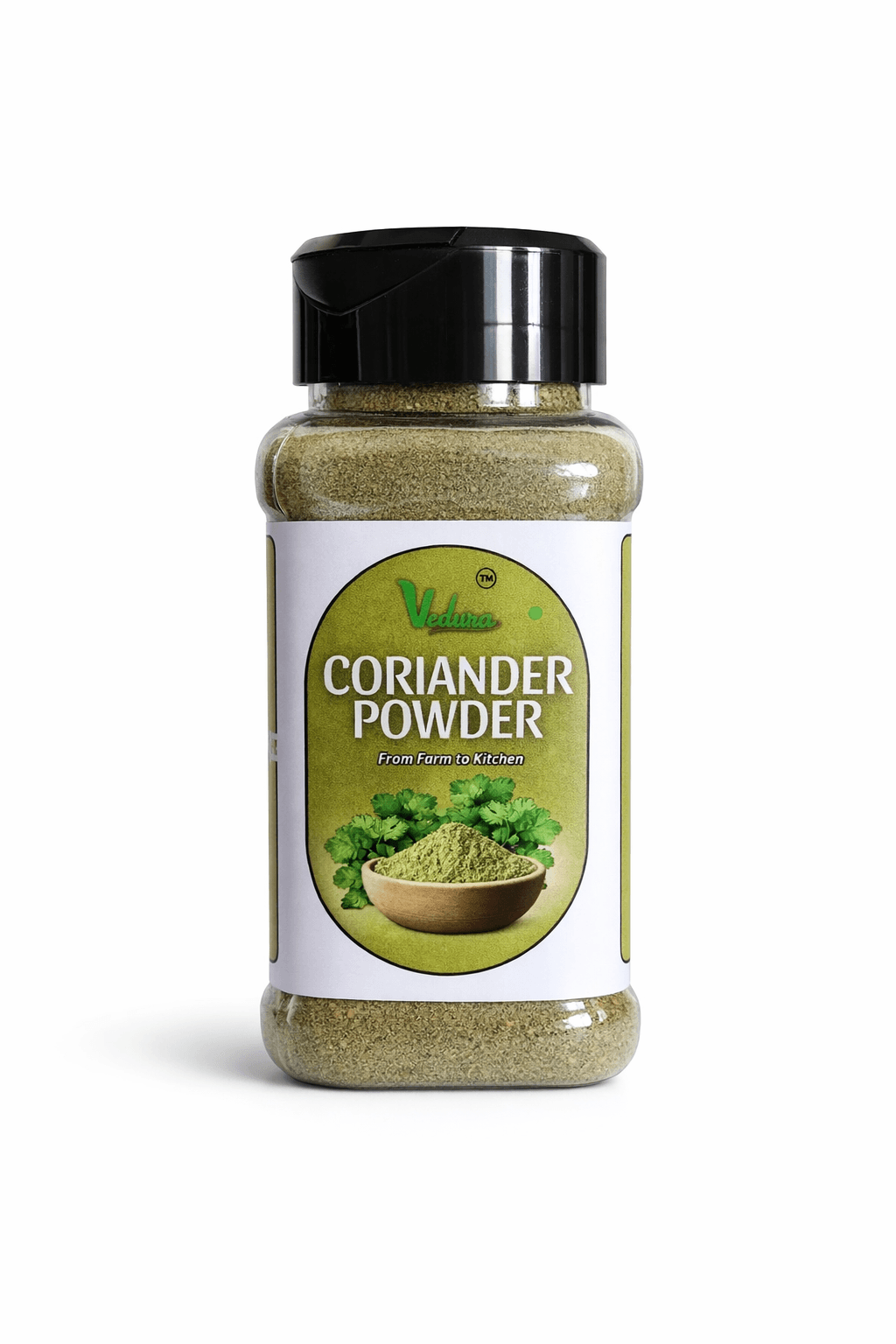
Replace refined grain snacks with dal-based alternatives. Reintroduce one green per day - fresh or dehydrated. Restore daily spice use - turmeric, cumin, coriander - in cooking rather than flavour sachets. Include fermented dairy (dahi, chaas) daily. Use whole grain atta rather than refined flour where possible.
These changes do not require abandoning modern life or rejecting all food evolution. They require recovering the specific elements of the traditional diet that performed the most work - the fibre, the greens, the spices, the fermented foods.
The health consequences of losing them are documented. The path to recovering them is clear. It runs through your own kitchen.
Explore topics
Continue your Vedura journey
Explore product pages, practical recipes, and research-led explainers connected to this topic.
Comments
Be the first to comment.