
When Russia invaded Ukraine in February 2022, global wheat prices spiked by over 50% within weeks. Ukraine and Russia together account for approximately 30% of global wheat exports - the disruption to supply was immediate, severe, and widely felt across food-importing nations, particularly in North Africa and the Middle East where wheat-dependent populations were pushed toward genuine food insecurity.
India's experience of this shock was revealing - and, in important ways, more positive than many expected.
Russia-Ukraine, Wheat Prices, and India's Food Independence
When Russia invaded Ukraine in February 2022, global wheat prices spiked by over 50% within weeks. Ukraine and Russia together account for approximately 30% of global wheat exports - the disruption to supply was immediate, severe, and widely felt across food-importing nations, particularly in North Africa and the Middle East where wheat-dependent populations were pushed toward genuine food insecurity.
India's experience of this shock was revealing - and, in important ways, more positive than many expected.
India's Response to the 2022 Wheat Shock
India initially attempted to capitalise on the global wheat shortage through exports. In April 2022, the government encouraged export deals as Indian wheat prices became internationally competitive. Within weeks, however, a domestic heatwave reduced the 2022 wheat harvest quality and triggered concerns about domestic supply. The government reversed course and banned wheat exports in May 2022.
The episode illustrated both India's structural advantage (a large domestic wheat production base that could have supplied global markets) and the limits of food self-sufficiency logic (domestic production is not immune to climate events, and the margin between self-sufficiency and shortage is thinner than comfortable).
The atta price in Indian retail markets increased by 15-25% through 2022-23, declining partially but remaining above pre-war lows. The impact was real for Indian households, particularly lower-income ones for whom wheat forms a large proportion of caloric intake.
What Three Years of War Reveals About Food System Vulnerability
Monoculture dependency is a system-level risk: The world's excessive reliance on a small number of agricultural exporting nations for staple crops was made visible by the Ukraine war in a way that policy makers had not fully internalised. Two countries accounting for 30% of global wheat exports is a concentration of risk that a well-designed system would avoid.
Food sovereignty has geopolitical value: Countries that produce their own staple foods are, in measurable ways, less geopolitically vulnerable. India's wheat production - 107 million tonnes in FY24 - provides a structural buffer against the kind of supply shock that devastated wheat-importing nations in 2022.
Climate is as dangerous as conflict for food systems: The 2022 wheat harvest disruption in India was caused not by war but by an April heatwave. The intersection of geopolitical risk and climate risk creates compounding vulnerabilities that food system planners are still learning to model.
The Indian Crops That Are Genuinely War-Proof
India grows and produces everything needed for a nutritionally complete, flavourful, and satisfying diet entirely within its own borders. This is an extraordinary food sovereignty position that most nations do not share.
Fully domestically produced categories:
- All major dal and legume varieties
- Rice and wheat (with manageable climate dependency)
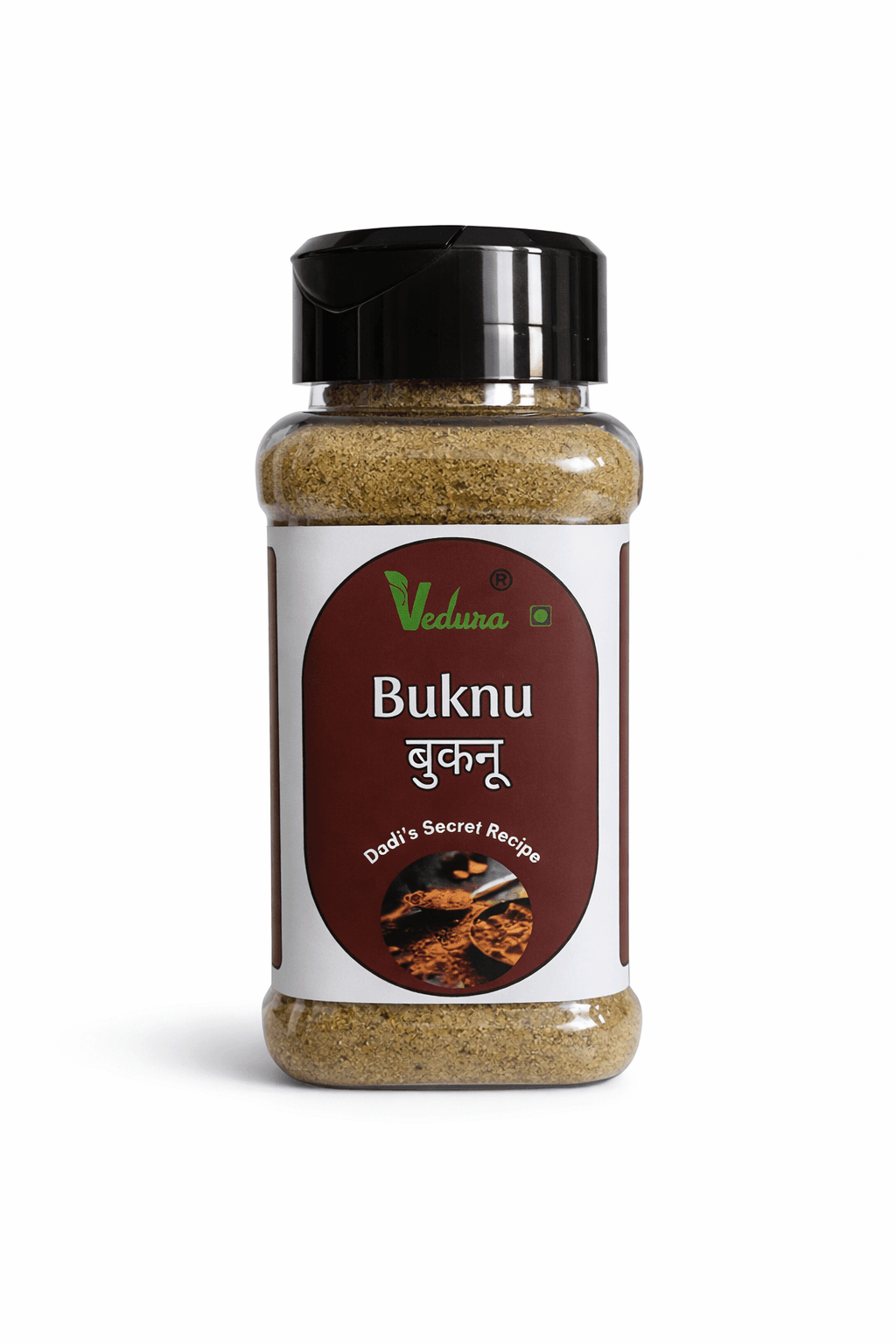
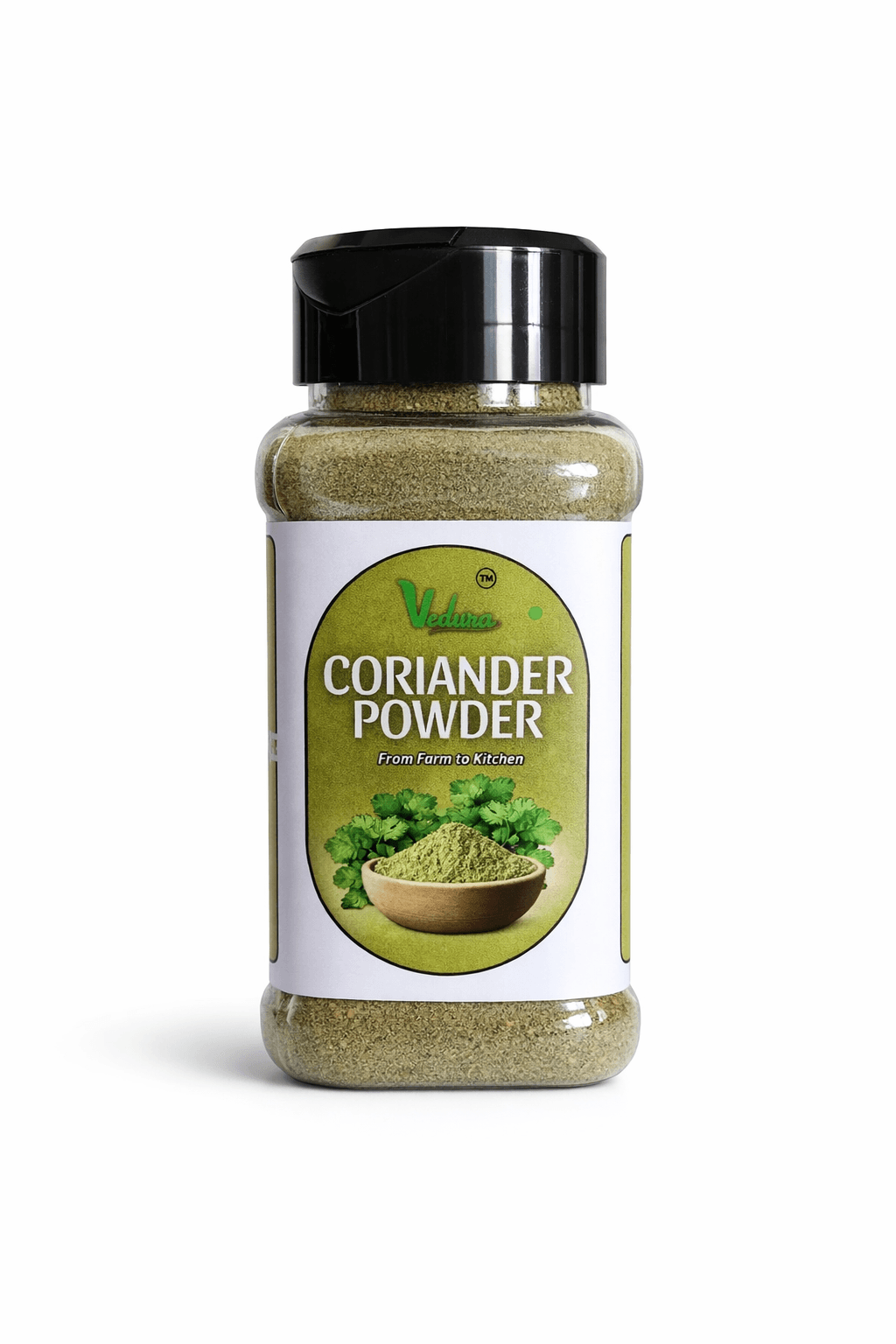
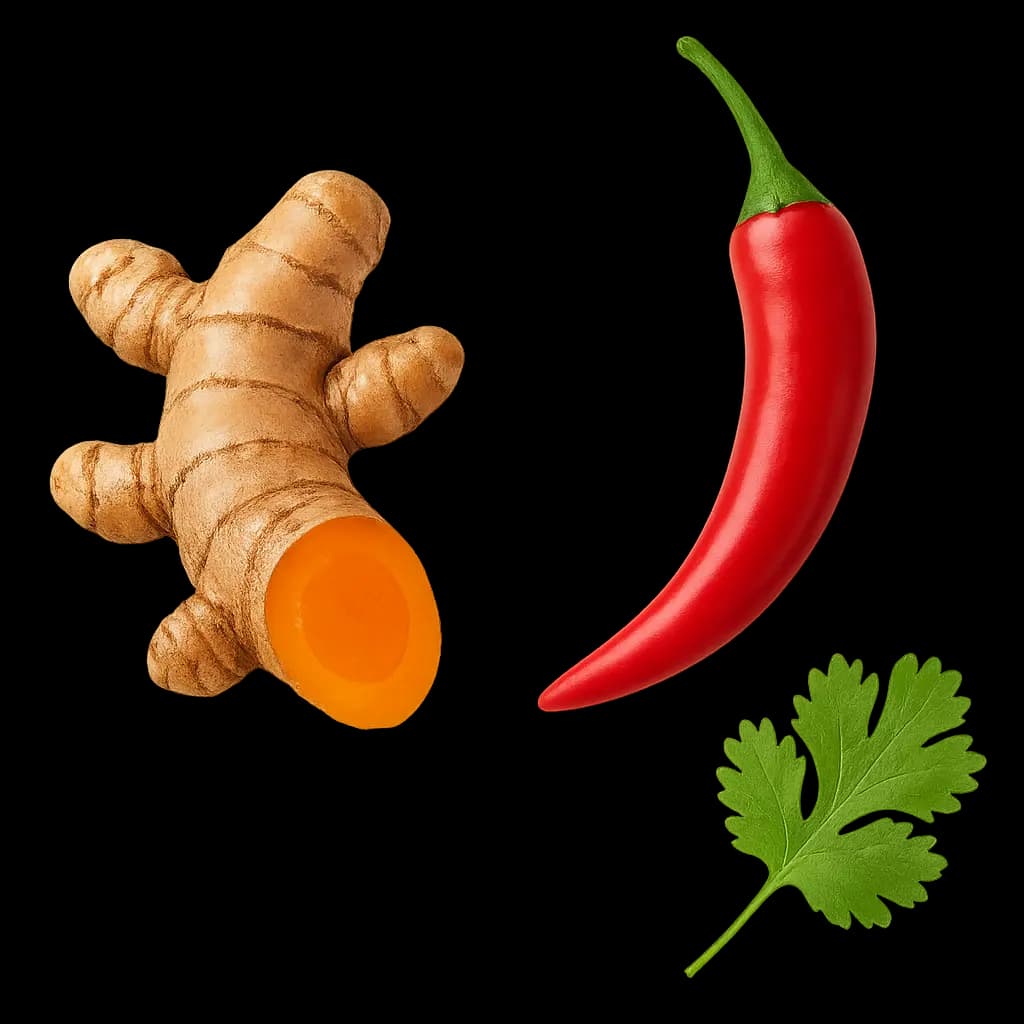
- All major spices: turmeric, cumin, coriander, black pepper, cardamom, chilli
- All leafy greens including dehydrated forms
- Dairy from an entirely domestic supply chain
- Most fresh vegetables and fruits
Import-dependent categories (the residual vulnerability):
- Edible oils: palm oil (Indonesia/Malaysia), soybean oil (South America)
- Certain pulses: yellow peas and lentils from Canada and Australia
The practical conclusion: an Indian household whose diet is built primarily around domestic Indian ingredients - dal, Indian greens, Indian spices, domestic grains - is substantially insulated from the supply chain disruptions that global conflicts create.
The Spice Economy as a War-Proof System
India's spice production is an especially elegant example of food system resilience. The country produces approximately:
- 75% of global turmeric supply
- 70% of global black pepper supply
- 65% of global cardamom supply
- 60% of global cumin supply
- 80% of global dry chilli supply
These are not import-dependent categories. They are Indian agricultural products sold to the world - not bought from it. A global conflict that disrupts shipping does not make turmeric unavailable in India. It makes Indian turmeric more expensive for everyone else.
The Indian kitchen's spice tradition is, incidentally, among the most geopolitically robust food systems in the world. War-proofed through centuries of agricultural development that happened to build exactly the kind of domestic self-sufficiency that geopolitical strategists now argue every nation needs.
The Individual Household Conclusion
The Russia-Ukraine war's legacy for Indian households is a clearer understanding of which parts of the food system are resilient and which are vulnerable.
The resilient parts: domestic grains, domestic legumes, all Indian spices, all Indian leafy greens. Build your diet around these and you are building on solid ground.
The vulnerable parts: imported edible oils, imported pulses, highly processed foods with complex global supply chains. These are where price shocks arrive first and last longest.
The strategic kitchen response is straightforward: eat more Indian food, made from Indian ingredients. The global situation has simply made the case for something that was always true for completely different reasons.
Explore topics
Continue your Vedura journey
Explore product pages, practical recipes, and research-led explainers connected to this topic.
Comments
Be the first to comment.