
Typical ingredients include roasted cumin powder (bhuna jeera), black salt (kala namak), red chilli powder, black pepper, and sometimes dried mint powder (pudina powder) or asafoetida (hing). The beauty of a good raita masala lies in its ability to provide a harmonious burst of flavour – earthy, tangy, spicy, and savoury – without overpowering the natural taste of the yogurt or the main dish it accompanies.
According to the Indian Council of Medical Research - National Institute of Nutrition (ICMR-NIN) Hyderabad, cumin is known for its carminative properties, aiding in digestion and reducing flatulence, making raita not just delicious but also a functional food. To achieve this at home, simply dry roast whole cumin seeds in a pan over low heat until they turn aromatic and slightly darker, then cool and grind to a fine powder.
Quick Summary
Raita masala is the secret to a truly flavourful raita, skillfully balancing roasted cumin, black salt, and other spices. This comprehensive guide will show you how to prepare the ideal raita base and effectively use masala for popular variations like boondi, vegetable, and pudina raita, ensuring a delightful and digestive accompaniment for any meal.
The Heart of Raita: Understanding Raita Masala
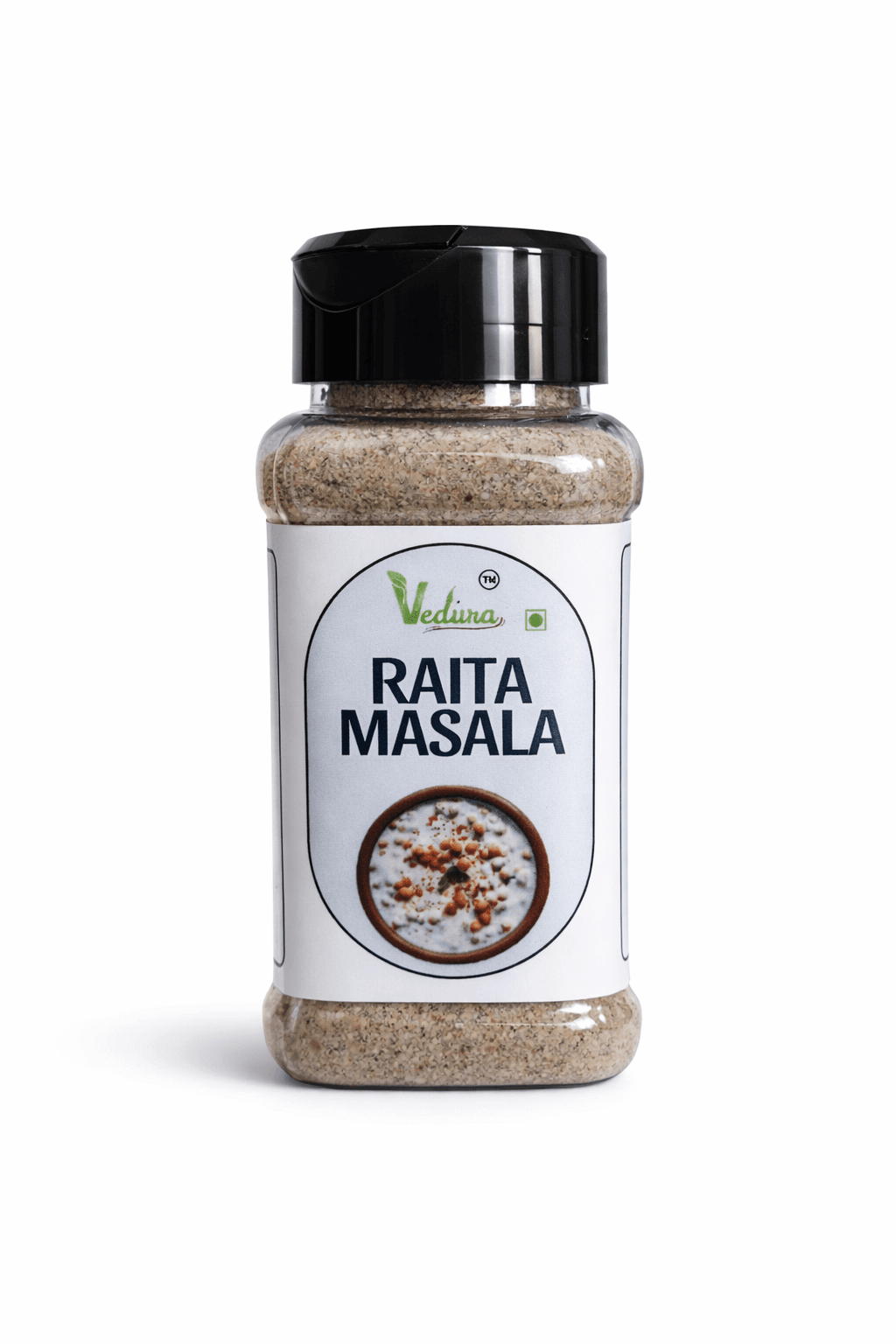
Raita, the quintessential Indian yogurt dip, is celebrated for its cooling properties and ability to complement spicy meals. While a simple seasoned yogurt is good, a well-crafted raita masala transforms it into something exceptional. At its core, raita masala is a precise blend of ground spices designed to enhance the tang and creaminess of dahi (yogurt).
Typical ingredients include roasted cumin powder (bhuna jeera), black salt (kala namak), red chilli powder, black pepper, and sometimes dried mint powder (pudina powder) or asafoetida (hing). The beauty of a good raita masala lies in its ability to provide a harmonious burst of flavour – earthy, tangy, spicy, and savoury – without overpowering the natural taste of the yogurt or the main dish it accompanies.
The Unmistakable Aroma of Roasted Cumin
If there’s one ingredient that truly defines the flavour profile of Indian raita masala, it is roasted cumin. The process of dry roasting cumin seeds before grinding them intensifies their earthy, nutty notes and releases a deep, warm aroma that is simply irreplaceable. This bhuna jeera is not just for taste; traditional Indian culinary wisdom also values cumin for its digestive benefits.
According to the Indian Council of Medical Research - National Institute of Nutrition (ICMR-NIN) Hyderabad, cumin is known for its carminative properties, aiding in digestion and reducing flatulence, making raita not just delicious but also a functional food. To achieve this at home, simply dry roast whole cumin seeds in a pan over low heat until they turn aromatic and slightly darker, then cool and grind to a fine powder.
Crafting the Perfect Raita Base
The foundation of any great raita is the yogurt itself. Choose fresh, thick, and unsoured dahi. Homemade yogurt is often ideal, but good quality store-bought plain yogurt (preferably full-fat) also works well. Avoid yogurt that is overly sour or too watery.
Whisking to Perfection
Start by whisking the yogurt thoroughly until it is completely smooth and lump-free. If the yogurt is too thick, you can add a tablespoon or two of cold water or milk to achieve a creamy, pourable consistency. The goal is a velvety texture that can evenly distribute the spices.
Optional Tempering (Tadka)
For some raitas, a quick tempering (tadka) adds another layer of flavour. Heat a small amount of oil or ghee, then add mustard seeds, curry leaves, and a pinch of asafoetida. Once the mustard seeds splutter, pour this aromatic mixture over your whisked yogurt. This is particularly popular for vegetable raitas or a simple plain raita.
Mastering Different Raitas with Your Masala
One raita masala can be surprisingly versatile, adapting to different ingredients to create distinct flavours. Here’s how to use it for some popular variations:
| Raita Type | Key Ingredients | Masala Ratio (per cup yogurt) | Special Tip |
| :--------- | :-------------- | :---------------------------- | :---------- |
| Boondi Raita | Small fried gram flour pearls (boondi) | 1.5 - 2 tsp | Soak boondi in warm water briefly before adding to yogurt to soften. |
| Vegetable Raita | Finely chopped cucumber, onion, tomato, grated carrot | 1 - 1.5 tsp | Add vegetables just before serving to prevent them from releasing too much water. |
| Pudina Raita | Fresh mint leaves, green chilli paste | 1 - 1.5 tsp | Blend mint and chilli with a little yogurt for a smooth paste before mixing. |
| Cucumber Raita | Grated cucumber (squeezed to remove excess water) | 1 - 1.5 tsp | Squeeze out water from grated cucumber to avoid a watery raita. |
Boondi Raita
For boondi raita, gently soak the boondi in warm water for 5-7 minutes until soft, then drain thoroughly. Mix the softened boondi into the whisked yogurt. Add your raita masala, a pinch of black salt, and regular salt to taste. Garnish with fresh coriander.
Vegetable Raita
Dice fresh vegetables like cucumber, onion, tomato, and grate some carrot very finely. For a more subtle flavour, you can lightly blanch peas or corn. Mix these into the yogurt. Stir in the raita masala, and adjust salt. A light tadka with mustard seeds and curry leaves can elevate this version.
Pudina (Mint) Raita
This refreshing raita requires fresh mint leaves. Blend a handful of mint leaves with one or two green chillies and a tablespoon of yogurt to form a smooth paste. Stir this paste into the remaining yogurt, then add your raita masala and salt. This raita is particularly good with rich biryanis or kebabs.
Elevating Your Raita with Vedura Raita Masala
At Vedura Foods, our commitment to natural Indian ingredients extends to our spice blends. Our Vedura Raita Masala is meticulously crafted using high-quality roasted cumin, black salt, and other spices, ensuring a consistent and authentic flavour profile every time. It takes the guesswork out of achieving that perfect balance, allowing you to create delicious raita effortlessly.
Simply add 1 to 2 teaspoons of Vedura Raita Masala per cup (approximately 200g-250g) of whisked yogurt, depending on your preferred intensity. You can find our natural and flavourful blend at https://www.vedurafoods.com/product/raita-masala to bring the authentic taste of homemade raita to your table with ease.
Expert Tips for a Memorable Raita
* Chill Time is Key: Allow your raita to chill in the refrigerator for at least 30 minutes before serving. This gives the flavours time to meld and deepen, resulting in a more cohesive and delicious taste.
* Thoughtful Garnishes: Fresh garnishes not only add visual appeal but also enhance flavour. A sprinkle of fresh coriander, a pinch of red chilli powder, or a final dusting of raita masala just before serving makes a difference.
* Salt Balance: Remember that black salt (kala namak) has a distinct sulphurous flavour and is saltier than regular table salt. Use it judiciously and balance with regular salt as needed. Avoid adding too much at once.
* Prevent Wateriness: For raitas with high-water content vegetables like cucumber, gently squeeze out excess water from grated or chopped cucumber before adding it to the yogurt. This prevents the raita from becoming watery too quickly.
FAQs
Q: Can I make raita masala at home?
A: Yes, you can. It typically involves dry roasting whole spices like cumin seeds, grinding them with black salt, red chilli powder, and black pepper. However, a pre-blended masala like Vedura Raita Masala ensures consistent flavour, saves time, and provides a balanced spice profile without individual ingredient sourcing.
Q: How much raita masala should I use per cup of yogurt?
A: A good starting point is 1 to 2 teaspoons of raita masala per cup (approx. 200g-250g) of plain yogurt. Adjust this amount based on your personal taste preference and the desired intensity of flavour. Always taste and adjust as you go to achieve your perfect balance.
Q: What is the best type of yogurt for raita?
A: For the best raita, use fresh, thick, unsoured dahi (yogurt). Homemade yogurt or full-fat Greek yogurt (thinned slightly if too thick) works exceptionally well. Its creamy texture holds the spices effectively and provides a rich base without becoming watery.
Q: How long can raita be stored?
A: Raita is best consumed fresh for optimal taste and texture. It can be stored in an airtight container in the refrigerator for up to 1-2 days. If made with ingredients like boondi or finely chopped fresh vegetables, consuming it within 24 hours is advisable to maintain freshness and texture, aligning with general FSSAI guidelines for perishable dairy products.
Q: Can I add other ingredients to raita?
A: Absolutely! Raita is incredibly versatile. Feel free to experiment with additions like grated beetroot, finely chopped pineapple, roasted pumpkin, or even fruits like pomegranate for unique flavours, textures, and added nutritional benefits. Ensure the additions complement the spice profile.
Q: Why is roasted cumin so important in raita masala?
A: Roasted cumin (bhuna jeera) is crucial because the roasting process deepens its flavour, making it earthy, nutty, and highly aromatic. This intensified, warm flavour profile is central to the traditional taste of Indian raita, providing a complexity that raw cumin cannot match, as often emphasized in traditional Indian culinary practices for its digestive and flavour-enhancing properties.
Explore topics
Continue your Vedura journey
Explore product pages, practical recipes, and research-led explainers connected to this topic.
Comments
Be the first to comment.