Hydration is not only about glasses of water. Food typically contributes 20 to 30% of daily water intake and also provides electrolytes and nutrients that determine how efficiently the body uses that water.
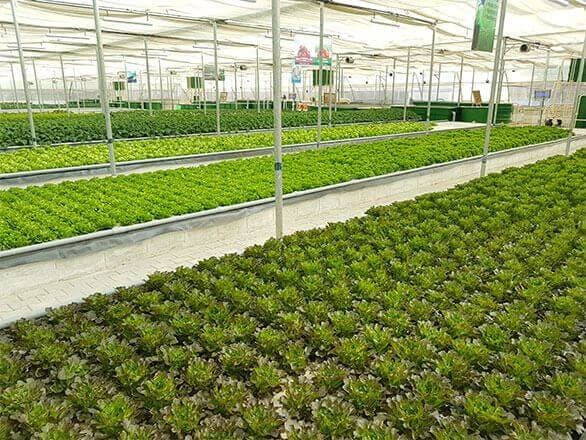
A produce-rich diet can contribute close to 1 to 1.5 liters of water daily. Water-dense foods include cucumber, celery, tomato, lettuce, zucchini, bell pepper, watermelon, strawberries, citrus, yogurt, and cooked oats.
Eating for Hydration
Hydration is not only about glasses of water. Food typically contributes 20 to 30% of daily water intake and also provides electrolytes and nutrients that determine how efficiently the body uses that water.
The Water in Your Food
A produce-rich diet can contribute close to 1 to 1.5 liters of water daily. Water-dense foods include cucumber, celery, tomato, lettuce, zucchini, bell pepper, watermelon, strawberries, citrus, yogurt, and cooked oats.
Food-based hydration often enters circulation more gradually than large fluid boluses, supporting steadier hydration and fewer spikes in excretion.
Skin as a Hydration Mirror
Skin hydration reflects internal hydration status. The dermis relies on water, collagen structure, and hyaluronic acid matrix. When the stratum corneum is under-hydrated, skin feels tight, dull, or flaky, and barrier function declines.
Skin is lower in hydration priority than vital organs, so chronic under-hydration often becomes visible in skin quality early.
Nutrients that support skin hydration from within include:
- Vitamin C for collagen support
- Omega-3 fats for lipid barrier integrity
- Zinc for renewal and repair
- Polyphenols and antioxidants for oxidative stress control
Salt and Sugar: Hidden Hydration Forces
High sodium intake raises osmotic demand and can increase required fluid intake. High sugar loads can create short-term osmotic shifts that draw water from intracellular compartments, contributing to thirst and cellular stress.
Ultra-processed diets rich in both salt and sugar can keep people feeling under-hydrated despite high beverage intake.
Seasonal Hydration Strategy
Hydration demand changes through the year:
- Summer: higher sweat losses and heat load; rely on water-rich produce, soups served cool, fruit-heavy snacks, and electrolyte-aware intake.
- Winter: thirst drops despite ongoing losses from heated indoor air and breathing cold dry air; use warm fluids, broths, teas, and hydration-supportive meals.
- Transitional seasons: reinforce routine and diversify plant intake while adapting fluid patterns.
A Practical 3-Day Hydration-Focused Pattern
A useful pattern combines water-rich produce, balanced sodium, protein, and fiber:
- Day 1: fruit-rich breakfast, high-water salad lunch, omega-3 dinner.
- Day 2: warm oats and soups, mineral-rich snacks, broth-based dinner.
- Day 3: yogurt and berries, mixed greens with nuts, fermented side options.
Across all days, target pale yellow urine and adjust for activity and climate.
Key Takeaways
- Food can provide meaningful daily hydration, not just beverages.
- Skin quality is tightly linked to internal hydration status and nutrient adequacy.
- Salt and sugar patterns strongly influence fluid distribution and hydration need.
- Seasonal hydration planning improves consistency and comfort.
- A plate-first hydration approach is sustainable and metabolically supportive.
Explore topics
Continue your Vedura journey
Explore product pages, practical recipes, and research-led explainers connected to this topic.
Comments
Be the first to comment.