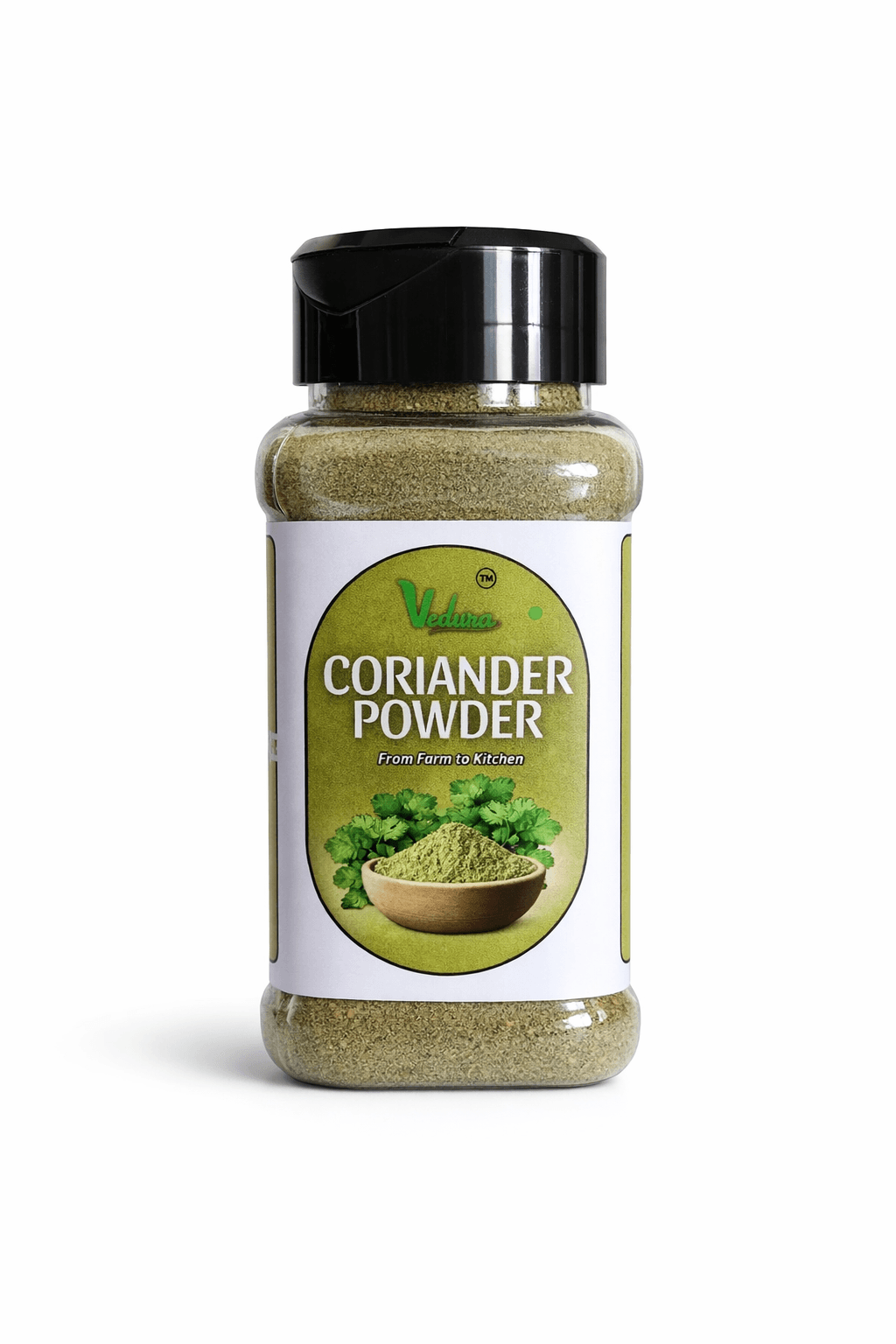
The process of dehydration carefully removes moisture while preserving the essential oils that give coriander its characteristic taste and smell. This means you get a powerful punch of flavor in a smaller quantity, and a product that stores well for extended periods. For home cooks and culinary professionals across India, this translates into less waste, more readiness, and a consistent taste experience, irrespective of the season or market availability.
According to the Spice Board of India, proper drying techniques are crucial for maintaining the quality and pungency of spices. Dehydration minimizes the loss of these essential oils, which can otherwise dissipate rapidly in fresh leaves. This means that while you might miss the vibrant green color and crisp texture of fresh coriander, you gain a powerful, enduring flavor that holds up wonderfully in cooked dishes. It allows the coriander to infuse more deeply into the food over time, contributing to a richer, more complex taste profile, especially in slow-cooked gravies and stews.
Quick Summary
Dehydrated coriander leaf powder offers a convenient and potent alternative to fresh dhania in Indian cooking. It excels as a versatile finishing herb, in vibrant chutneys, and robust marinades, retaining its distinctive aroma and enhancing dishes with concentrated flavor. This versatile ingredient simplifies meal preparation while ensuring authentic, delicious results, making it a valuable addition to any Indian kitchen.
The Magic of Dehydrated Coriander: Beyond Fresh
Fresh coriander, or *dhania*, is a cornerstone of Indian cuisine, celebrated for its bright, citrusy aroma and herbaceous notes. However, its fleeting shelf life and seasonal availability can be a challenge. This is where dehydrated coriander leaf powder steps in as a kitchen hero. Far from being a mere substitute, it offers a concentrated burst of flavor and a distinct aromatic profile that can elevate dishes in unique ways. It provides the consistency and convenience that fresh leaves sometimes lack, making it a reliable staple for everyday cooking and special occasions alike.
The process of dehydration carefully removes moisture while preserving the essential oils that give coriander its characteristic taste and smell. This means you get a powerful punch of flavor in a smaller quantity, and a product that stores well for extended periods. For home cooks and culinary professionals across India, this translates into less waste, more readiness, and a consistent taste experience, irrespective of the season or market availability.
Unlocking Flavor: How to Use Dehydrated Dhania Powder
Dehydrated coriander powder is incredibly versatile, adding depth and a fresh herbaceous finish to a wide array of dishes. Its concentrated nature means a little goes a long way, and its ability to meld seamlessly with other spices makes it indispensable.
Finishing Touch: Garnishes and Flavor Boosts
Unlike fresh coriander which can wilt when added to hot dishes, dehydrated coriander powder can be stirred into dishes just before serving to impart a vibrant, lingering aroma without compromising texture. Think of it as a flavor enhancer for dals, raitas, vegetable stir-fries, and even scrambled eggs. A sprinkle over a piping hot bowl of *dal tadka* or a cooling *boondi raita* awakens the palate and adds an authentic touch. It's particularly effective in dishes where you want the coriander flavor to shine without the green leaf texture.
Chutneys and Dips: Aromatic Blends
Traditional Indian chutneys often rely on fresh coriander for their characteristic zest. Dehydrated coriander powder offers an excellent alternative, especially in dry chutneys or when you desire a more intense, less watery consistency. It can be combined with roasted peanuts, sesame seeds, coconut, and a touch of red chili to create a flavorful *chutney powder* that pairs wonderfully with idli, dosa, or just about any snack. For wet chutneys, a pinch of rehydrated coriander powder (soaked in warm water for a few minutes) can boost the flavor profile significantly.
Marinades and Rubs: Deep Flavor Infusion
One of the most potent applications for dehydrated coriander powder is in marinades and dry rubs. Its concentrated flavor penetrates deep into ingredients like paneer, chicken, fish, and vegetables, creating a rich, aromatic base. For a *tandoori* marinade, combine it with yogurt, ginger-garlic paste, and other spices. For a simple fish fry, mix it with chili powder, turmeric, and a squeeze of lime. The powder adheres well to surfaces, ensuring an even distribution of flavor. Vedura Foods' dehydrated coriander powder, available at https://www.vedurafoods.com/product/dehydrated-coriander-powder, is carefully processed to lock in this essential flavor, making it perfect for these applications.
Aroma Retention and Flavor Profile
The key advantage of well-processed dehydrated coriander powder lies in its remarkable ability to retain its aromatic compounds. While fresh coriander offers a bright, almost peppery note, the dehydrated form presents a slightly more mellowed, earthy, and intensely concentrated flavor. This concentration is due to the careful drying process that preserves the volatile oils responsible for its distinct scent and taste.
According to the Spice Board of India, proper drying techniques are crucial for maintaining the quality and pungency of spices. Dehydration minimizes the loss of these essential oils, which can otherwise dissipate rapidly in fresh leaves. This means that while you might miss the vibrant green color and crisp texture of fresh coriander, you gain a powerful, enduring flavor that holds up wonderfully in cooked dishes. It allows the coriander to infuse more deeply into the food over time, contributing to a richer, more complex taste profile, especially in slow-cooked gravies and stews.
Mastering the Conversion: How Much to Use
Given its concentrated nature, dehydrated coriander powder should be used sparingly compared to fresh leaves. A general rule of thumb is to use about one-third to one-quarter the amount of dehydrated powder as you would fresh chopped coriander. However, taste is always the ultimate guide. Start with a smaller quantity and add more as needed.
Here’s a helpful conversion guide:
| Fresh Coriander (chopped) | Dehydrated Coriander Powder | Notes |
| :------------------------ | :-------------------------- | :----------------------------------------------------------------- |
| 1 tablespoon | 1/4 teaspoon | For garnishing and light flavor |
| 1/4 cup | 1 teaspoon | Suitable for chutneys, marinades, and curries |
| 1/2 cup | 2 teaspoons | For dishes requiring a strong coriander presence |
| 1 cup | 1 tablespoon | Use cautiously, adjust to taste, especially in large batches |
Remember that the intensity can vary slightly between brands, so always trust your palate. When incorporating it into dishes, consider adding it towards the end of cooking to preserve its delicate notes, or allow it to simmer for a short while to fully release its aroma.
Why Choose Dehydrated Coriander? Convenience Meets Authenticity
The benefits of incorporating dehydrated coriander powder into your kitchen extend beyond just flavor. It's a choice that reflects practicality, efficiency, and a commitment to authentic taste.
Firstly, its significantly longer shelf life, typically 12-18 months when stored correctly, eliminates the common problem of fresh coriander wilting in the refrigerator after just a few days. This means less food waste and more cost-effective meal planning. Secondly, it offers year-round availability, allowing you to enjoy the distinct flavor of dhania even when fresh produce is out of season or difficult to source. This consistency is invaluable for maintaining uniform taste across your culinary creations.
For busy home cooks and even small food businesses, the time saved on washing, chopping, and sorting fresh coriander is a considerable advantage. It streamlines meal preparation without compromising on the authentic Indian flavors that are so cherished. Furthermore, reputable brands like Vedura Foods adhere to stringent quality standards, often guided by bodies like the Food Safety and Standards Authority of India (FSSAI), ensuring that the dehydrated product is safe, pure, and of consistent quality. This reliability makes dehydrated coriander powder not just a convenient option, but a smart choice for any kitchen dedicated to quality and flavor.
FAQs
Q: Is dehydrated coriander powder as good as fresh?
A: While fresh coriander offers unique textural appeal and a vibrant initial burst of flavor, dehydrated powder provides a concentrated, consistent flavor and aroma that is excellent for long-cooked dishes, marinades, and when fresh coriander is unavailable. Its extended shelf life and convenience are significant advantages that make it a valuable ingredient in its own right.
Q: Can I use dehydrated coriander in curries?
A: Absolutely. Dehydrated coriander powder integrates beautifully into curries, dals, and sabzis. For best results, consider adding it towards the end of the cooking process to preserve its delicate notes, or rehydrating it slightly with warm water before adding it to the dish. It imparts depth and a fresh herbaceous finish that elevates the overall flavor.
Q: How long does dehydrated coriander powder last?
A: When stored correctly in an airtight container away from heat and direct sunlight, Vedura's dehydrated coriander powder can maintain its potency and flavor for 12 to 18 months. This significantly longer shelf life compared to fresh coriander makes it a practical and economical choice for the pantry.
Q: What's the best way to store dehydrated coriander powder?
A: To preserve its flavor and aroma, store dehydrated coriander powder in a cool, dark, and dry place. An airtight glass jar or container is ideal, as it prevents moisture absorption and minimizes exposure to light, which can degrade its quality over time. Avoid storing it near heat sources like the stove or in direct sunlight.
Q: Can dehydrated coriander be rehydrated?
A: Yes, dehydrated coriander powder can be rehydrated. To do so, simply soak it in a small amount of warm water for about 5-10 minutes before use. This process helps to soften the leaves slightly and brings back some of their texture, making them suitable for dishes where a less powdery consistency is desired, such as certain chutneys or as a topping.
Explore topics
Continue your Vedura journey
Explore product pages, practical recipes, and research-led explainers connected to this topic.
Comments
Be the first to comment.