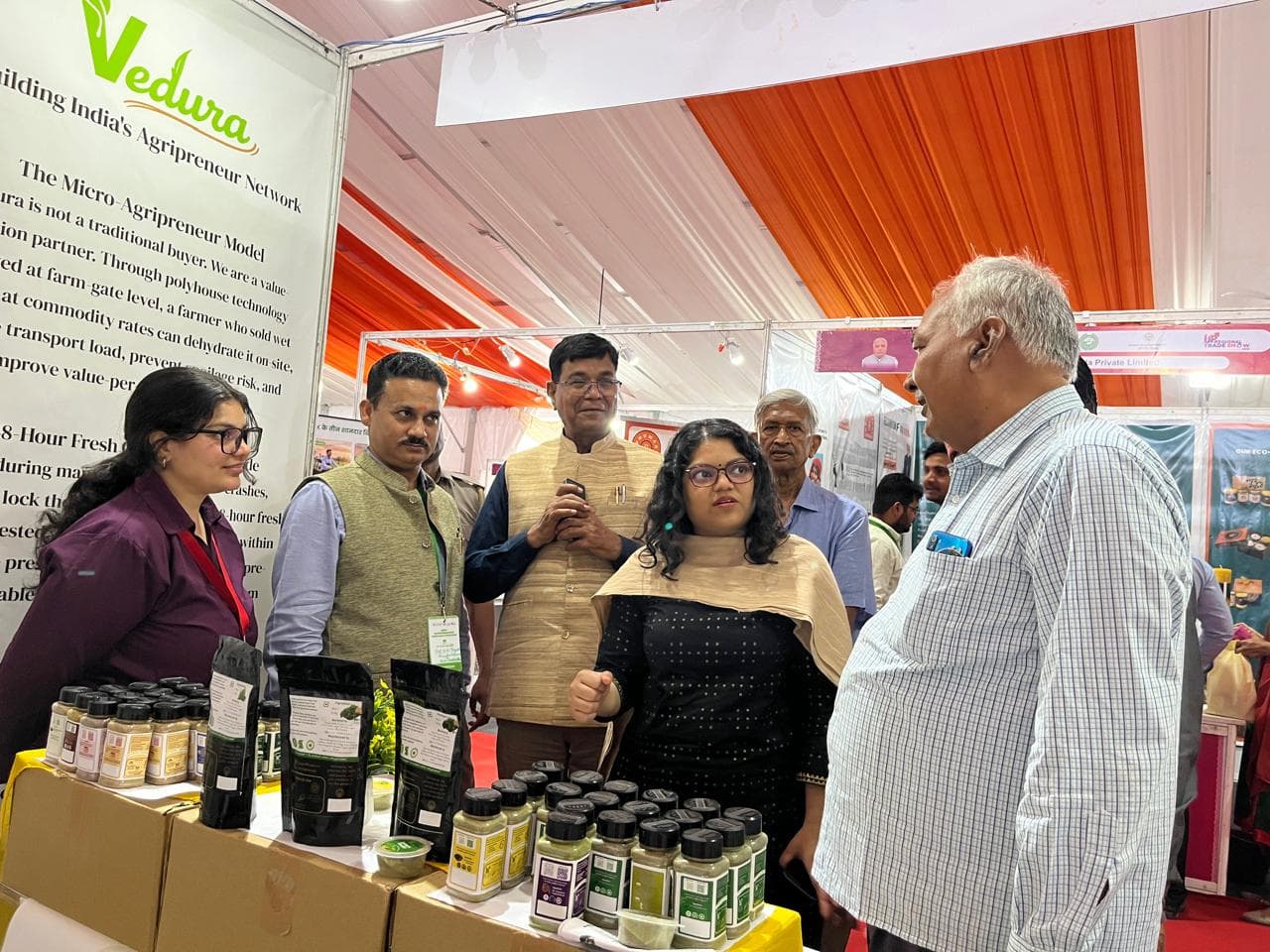

India is simultaneously the world's largest producer and consumer of spices, and the domestic market for value-added, natural, and organic spice products is in one of the most dynamic growth phases in its history.
This report consolidates publicly available market data, industry estimates, and observed consumer trends to provide a practical intelligence brief for entrepreneurs, investors, and food businesses operating in this space.
India's Natural and Organic Spice Market: 2025 Intelligence Report
India is simultaneously the world's largest producer and consumer of spices, and the domestic market for value-added, natural, and organic spice products is in one of the most dynamic growth phases in its history.
This report consolidates publicly available market data, industry estimates, and observed consumer trends to provide a practical intelligence brief for entrepreneurs, investors, and food businesses operating in this space.
Market Size and Growth
Total Indian spice market (2024-25): Approximately Rs 75,000-80,000 crore.
Branded spice market: Approximately Rs 25,000-28,000 crore, growing at 10-12% annually.
Natural and clean-label spice segment: Estimated Rs 4,000-6,000 crore within the branded market, growing at 18-22% annually.
Organic certified spice segment: Approximately Rs 800-1,200 crore, growing at 25-30% annually.
Key growth driver for 2025: Post-pandemic health consciousness among urban Indians has permanently elevated interest in clean-label, traceable food products.
Consumer Segmentation
Segment 1: Health-Conscious Urban Premium (25-45, Tier 1 cities)
- Size: Approximately 12-15 million households
- Characteristics: Label readers and premium buyers
- Triggers: No artificial colour, no preservatives, traceable origin
Segment 2: Emerging Premium Urban (Tier 2 cities)
- Size: Approximately 25-30 million households
- Characteristics: Aware but price-sensitive
- Triggers: Authenticity and regional identity
Segment 3: Traditional Quality Seekers
- Size: 50+ million households
- Characteristics: Prefer better aroma and cooking outcomes over labels
Segment 4: Diaspora and Export
- Size: 35 million Indian diaspora globally + international natural food consumers
- Characteristics: Highest willingness to pay
Competitive Landscape
Tier 1: Large FMCG players - MDH, Everest, Catch, Eastern, Badshah.
Tier 2: Mid-sized regional brands.
Tier 3: Premium D2C startups.
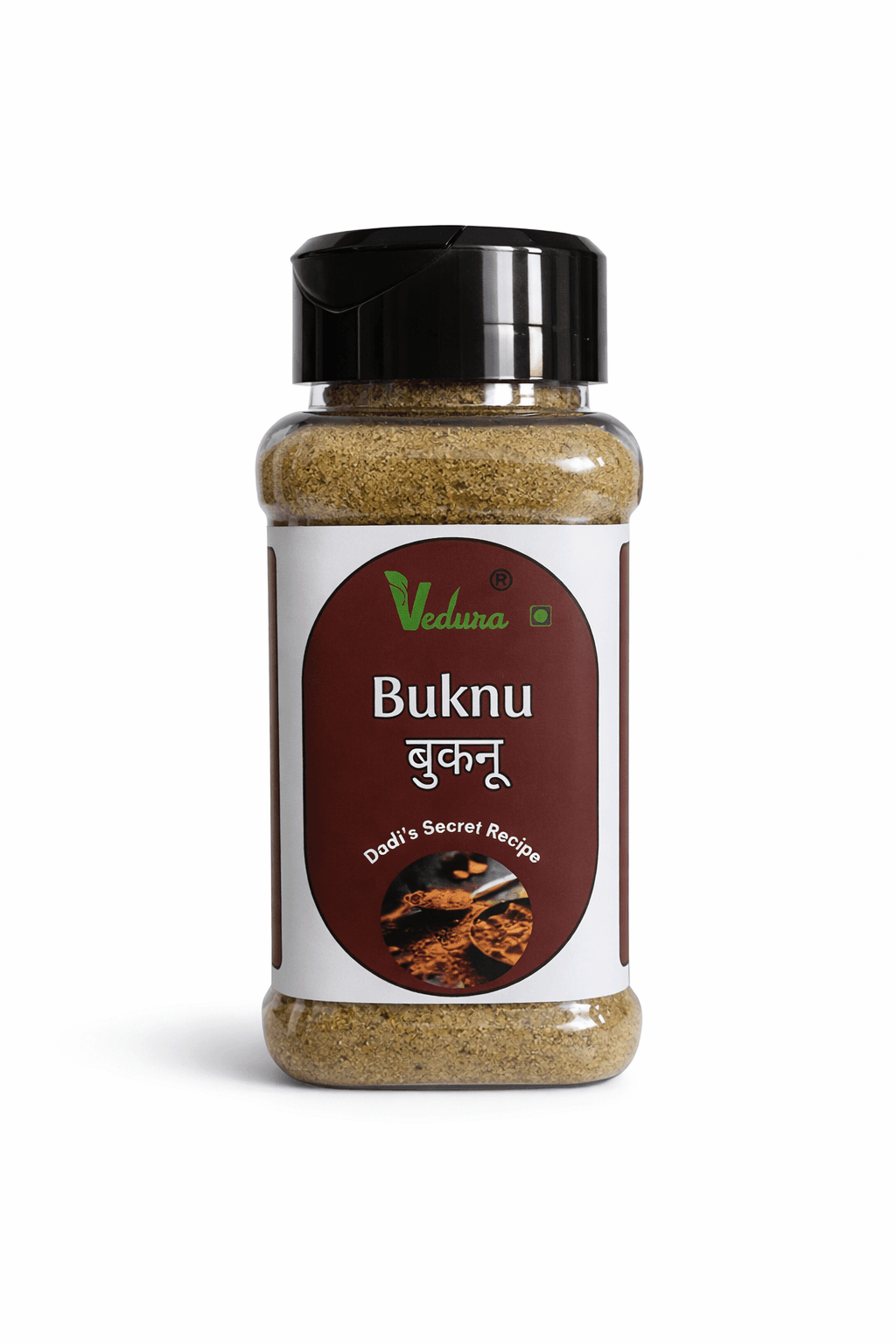
White space for new entrants: Regional heritage blend category (Buknu, regional sambars, state-specific spice traditions).
Pricing Analysis
Commodity ground spices: Rs 80-150/100g
Mass-market branded spices: Rs 150-250/100g
Premium natural/clean-label brands: Rs 280-450/100g
Stone-ground/artisanal/organic certified: Rs 450-800/100g
Single-origin export-quality: Rs 600-1,200/100g
Premium tiers command 4-8x commodity prices, while production costs often rise only 1.5-2x.
Export Opportunity
India exports around Rs 30,000 crore of spices annually, with growth of 8-10% per year. The natural and organic segment commands substantial premiums in export markets.
Top destinations: US, UK, UAE, and Germany.
For MSME spice brands with APEDA registration, certification, and coherent branding, export is a viable channel now, not just a future aspiration.
Strategic Implications for 2025 Entrants
Position 1: Regional heritage brand
Position 2: Functional ingredient specialist
Position 3: B2B ingredient supplier
All three positions have market support in 2025. The regional-heritage route in particular is where authentic provenance beats scale - the same space occupied by traditional blends like Buknu and by Vedura's wider range of natural spices and dehydrated greens.
For founders weighing how to enter this market, our guide to starting a D2C food brand in India covers the operational side.
FAQs
How big is India's spice market in 2025?
The total Indian spice market is estimated at roughly Rs 75,000-80,000 crore, with the branded segment around Rs 25,000-28,000 crore and growing at 10-12% annually.
Which spice segment is growing fastest?
The organic certified segment is growing fastest at an estimated 25-30% annually, followed by the broader natural and clean-label segment at 18-22%.
Where is the opportunity for new spice brands?
The clearest white space is regional heritage blends - Buknu, regional sambars, and state-specific masalas - which are under-represented in organised retail.
Can a small Indian spice brand export?
Yes. With APEDA registration, certification, and coherent branding, export is a viable channel for MSMEs, with the natural and organic segment commanding strong premiums abroad.
Explore topics
Continue your Vedura journey
Explore product pages, practical recipes, and research-led explainers connected to this topic.
Comments
Be the first to comment.